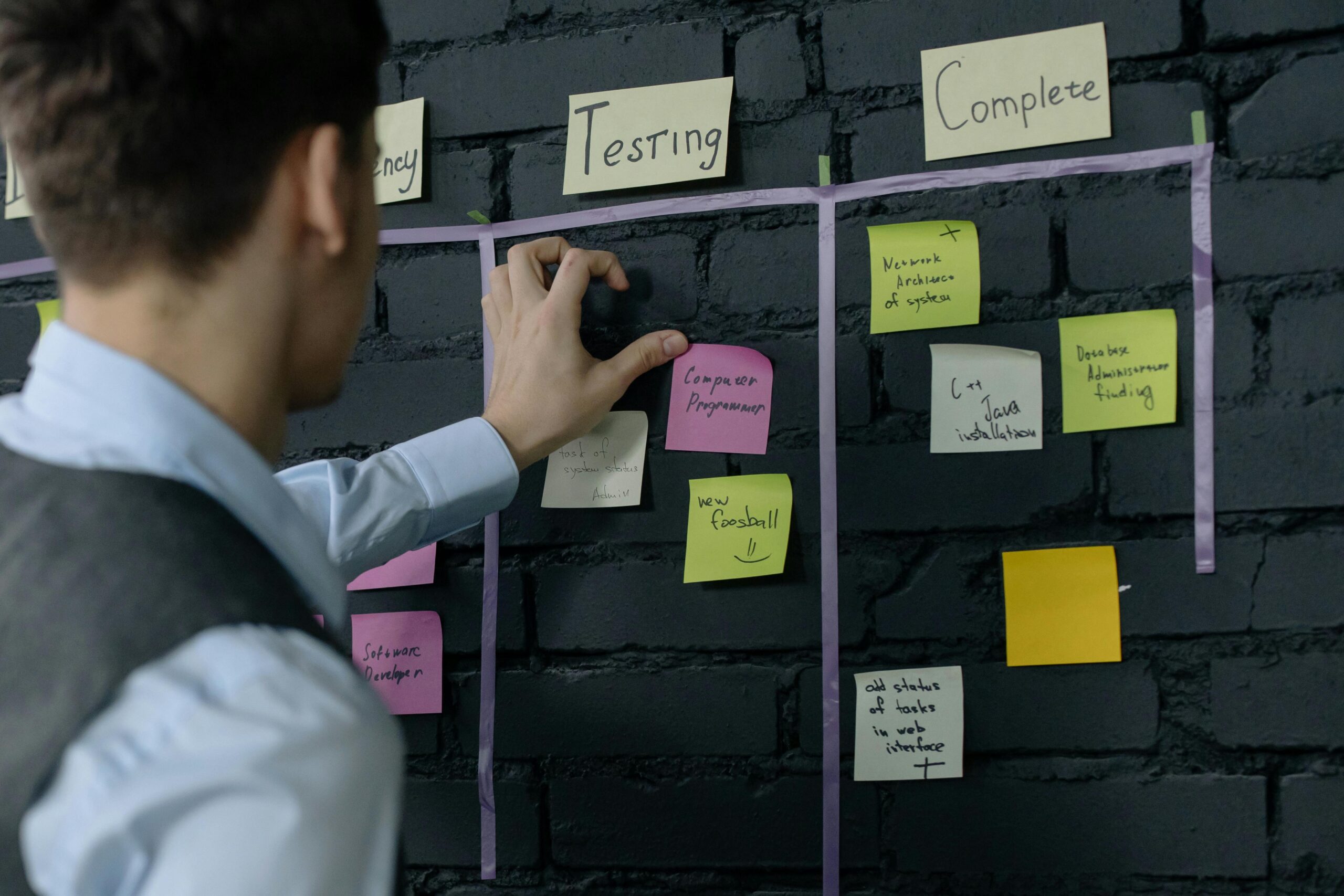
In today’s fast-paced business environment, the difference between thriving organizations and struggling ones often lies in their ability to execute tasks with minimal resistance and maximum efficiency.

Frictionless execution paths represent the holy grail of operational excellence—a state where processes flow seamlessly, teams collaborate effortlessly, and results materialize with remarkable consistency. Organizations that master this approach don’t just work harder; they work smarter, eliminating unnecessary obstacles that drain resources, time, and employee morale. The concept of streamlining success through frictionless execution is not merely about speed; it’s about creating sustainable systems that deliver consistent performance while reducing cognitive load and operational waste.
The modern workplace is plagued by friction points that slow down progress at every turn. From convoluted approval processes to outdated communication channels, from redundant data entry to unclear decision-making frameworks, these obstacles accumulate like barnacles on a ship’s hull, gradually degrading performance until the entire organization struggles to maintain momentum. Understanding how to identify, eliminate, and prevent these friction points is essential for any organization committed to long-term success and competitive advantage.
🎯 Understanding the Anatomy of Friction in Organizational Systems
Friction in business processes manifests in countless forms, often hiding in plain sight within the daily operations that teams have grown accustomed to tolerating. These inefficiencies might appear as minor inconveniences individually, but their cumulative impact can be devastating to organizational performance and employee satisfaction.
Process friction typically emerges from misaligned systems, outdated technologies, unclear communication protocols, or simply the accumulation of workarounds that have become institutionalized over time. When employees must navigate through multiple software platforms to complete a single task, when approval chains extend through unnecessary layers of hierarchy, or when critical information resides in isolated silos, friction accumulates exponentially.
The psychological toll of constant friction cannot be understated. Employees facing repeated obstacles experience decreased motivation, increased stress levels, and a growing sense that their efforts are being wasted on bureaucratic hurdles rather than meaningful work. This emotional friction compounds the operational challenges, creating a vicious cycle where disengagement leads to even more inefficiency.
Identifying Hidden Friction Points in Your Workflow
The first step toward creating frictionless execution paths involves developing a keen awareness of where friction exists within your current systems. Many organizations operate with significant blind spots, assuming that current processes are optimal simply because they’ve always been done that way.
Employee feedback represents one of the most valuable sources of friction intelligence. The people performing tasks daily often have intimate knowledge of where systems break down, where redundancies exist, and where simple improvements could yield dramatic results. Creating formal channels for capturing this feedback—through regular surveys, suggestion systems, or structured interviews—can illuminate friction points that leadership might never discover otherwise.
Data analytics provides another powerful lens for identifying friction. By examining process completion times, error rates, handoff delays, and resource utilization patterns, organizations can pinpoint exactly where workflows bog down. Modern business intelligence tools make it possible to visualize these bottlenecks with remarkable clarity, transforming abstract concerns into concrete, measurable challenges.
💡 Designing Execution Paths That Flow Like Water
Creating truly frictionless execution paths requires a fundamental shift in how we approach process design. Rather than building processes around organizational structures or legacy systems, we must design them around the natural flow of work itself, allowing tasks to move through the organization with minimal resistance.
The principle of path dependency teaches us that small design decisions early in a process can have cascading effects throughout its entire lifecycle. When we optimize for frictionless execution from the outset, we create systems that naturally resist the accumulation of inefficiency over time. This approach requires upfront investment in thoughtful design, but pays dividends in sustained performance over the long term.
The Role of Technology in Eliminating Resistance
Modern technology offers unprecedented opportunities to reduce friction in organizational processes. Automation can eliminate repetitive manual tasks that consume time and introduce errors. Integration platforms can connect disparate systems, allowing data to flow seamlessly without manual intervention. Intelligent workflows can route tasks automatically based on predefined rules, eliminating delays associated with manual handoffs.
However, technology can also introduce friction when implemented poorly. Overly complex systems, platforms that don’t integrate well with existing infrastructure, or solutions that require extensive training can create more problems than they solve. The key lies in selecting technologies that genuinely simplify work rather than merely digitizing existing complexity.
Cloud-based collaboration tools have revolutionized how teams coordinate their efforts, enabling real-time collaboration regardless of physical location. These platforms reduce the friction associated with version control, file sharing, and asynchronous communication. When everyone works from a single source of truth, the friction of conflicting information and redundant efforts dissolves.
🚀 Building a Culture That Values Flow Over Bureaucracy
Even the most perfectly designed processes will accumulate friction over time if the organizational culture doesn’t actively resist it. Creating a culture that values frictionless execution requires intentional leadership, clear values, and consistent reinforcement of behaviors that promote efficiency.
Leaders must model the behaviors they wish to see, demonstrating a willingness to question established processes and eliminate unnecessary complexity. When executives prioritize speed and simplicity over elaborate approval chains and defensive documentation, they send a powerful message throughout the organization about what truly matters.
Empowering employees to identify and eliminate friction in their own workflows creates a distributed network of efficiency advocates. Rather than waiting for top-down initiatives to address every inefficiency, organizations can tap into the collective intelligence of their workforce to continuously optimize execution paths. This approach requires psychological safety—employees must feel confident that raising concerns about inefficient processes will be welcomed rather than punished.
Implementing Continuous Improvement Mechanisms
Frictionless execution is not a destination but an ongoing journey. Organizations must establish mechanisms for continuously identifying and addressing new sources of friction as they emerge. Regular process audits, retrospectives, and improvement sprints keep the organization focused on optimization rather than complacency.
The concept of “kaizen,” or continuous improvement, originated in Japanese manufacturing but applies equally well to knowledge work. By encouraging incremental improvements on a regular basis, organizations can prevent the gradual accumulation of friction that inevitably occurs when processes remain static in a dynamic environment.
📊 Measuring the Impact of Frictionless Execution
What gets measured gets managed, and frictionless execution is no exception. Organizations serious about optimizing their execution paths must establish clear metrics that quantify both the presence of friction and the impact of efforts to reduce it.
Cycle time metrics measure how long it takes to complete processes from start to finish. Reductions in cycle time often indicate successful friction reduction, though care must be taken to ensure that speed hasn’t come at the expense of quality. Throughput metrics track how many units of work the organization completes within a given timeframe, providing insight into overall capacity and efficiency.
Employee satisfaction and engagement scores often correlate strongly with the presence or absence of friction in daily work. When employees report higher satisfaction levels, reduced frustration, and greater sense of accomplishment, it typically indicates that execution paths have become more streamlined. These qualitative measures complement quantitative process metrics to provide a holistic view of organizational health.
The Financial Benefits of Reduced Friction
The business case for frictionless execution becomes compelling when translated into financial terms. Reduced cycle times mean faster time-to-market for new products and services, providing competitive advantages and revenue acceleration. Lower error rates reduce rework costs and customer service burdens. Improved employee retention saves recruitment and training expenses while preserving institutional knowledge.
Organizations that successfully eliminate friction often discover hidden capacity within their existing workforce. When employees spend less time navigating bureaucratic obstacles and more time on value-creating activities, productivity increases without proportional increases in headcount or other resources. This operational leverage can dramatically improve profitability and organizational resilience.
⚡ Strategic Approaches to Friction Elimination
Addressing friction requires strategic thinking about which obstacles to tackle first and how to approach the work of elimination systematically. Not all friction points are created equal—some create minor inconveniences while others represent major bottlenecks that constrain overall organizational performance.
The theory of constraints suggests focusing improvement efforts on the most significant bottlenecks first, as optimizing non-constraint areas delivers minimal benefit until the primary constraint is addressed. This principle applies directly to friction reduction—identifying and eliminating the most impactful friction points should take priority over addressing minor inefficiencies.
Quick Wins Versus Structural Transformation
Effective friction reduction strategies balance quick wins with longer-term structural improvements. Quick wins—simple changes that can be implemented rapidly with minimal resources—build momentum and demonstrate the value of friction reduction efforts. These early successes create stakeholder buy-in for more substantial transformation initiatives.
Structural transformation addresses the root causes of friction rather than merely treating symptoms. These initiatives typically require more significant investment and longer timeframes but deliver more sustainable results. Examples might include replacing legacy technology platforms, redesigning organizational structures to reduce handoffs, or fundamentally reimagining core business processes.
🔧 Practical Tools and Techniques for Creating Flow
Numerous methodologies and frameworks can support organizations in their journey toward frictionless execution. Lean principles focus on eliminating waste and optimizing value streams. Agile methodologies emphasize iterative development and rapid feedback loops. Design thinking approaches center user needs and experiences when designing processes and systems.
Process mapping techniques visualize current workflows, making friction points visible and facilitating collaborative problem-solving. Value stream mapping specifically identifies which activities add value and which represent waste. These visual tools help teams develop shared understanding of complex processes and align on improvement priorities.
Automation platforms and workflow management systems provide practical mechanisms for reducing manual friction. By codifying business rules and automating routine decisions, these tools free human attention for more complex, judgment-intensive work. The key lies in thoughtful implementation that genuinely simplifies rather than merely transferring complexity to a different domain.
🌟 Sustaining Frictionless Execution Over Time
Perhaps the greatest challenge in streamlining success lies not in the initial friction reduction but in maintaining frictionless execution as the organization evolves. Growth introduces complexity, new regulations create compliance requirements, and organizational changes can reintroduce inefficiencies that were previously eliminated.
Building friction awareness into standard operating procedures helps maintain vigilance against creeping inefficiency. Regular reviews of key processes, mandatory friction assessments before implementing new systems, and explicit responsibility for maintaining streamlined execution all contribute to long-term sustainability.
Leadership commitment remains essential throughout the journey. When executives consistently prioritize efficiency, question unnecessary complexity, and celebrate friction reduction successes, they reinforce the cultural values that support frictionless execution. This top-down commitment combined with bottom-up employee engagement creates powerful momentum toward sustained operational excellence.
The Competitive Advantage of Operational Excellence
Organizations that master frictionless execution develop a formidable competitive advantage that compounds over time. While competitors struggle with bureaucratic obstacles and inefficient processes, streamlined organizations can respond faster to market opportunities, deliver superior customer experiences, and maintain higher employee morale and retention.
This advantage becomes particularly pronounced during periods of rapid change or crisis. Organizations with friction-laden processes find themselves unable to adapt quickly, while those with streamlined execution paths can pivot rapidly, experimenting with new approaches and scaling successful initiatives without getting bogged down in operational complexity.

🎓 Learning From Organizations That Have Mastered Flow
Examining organizations renowned for operational excellence provides valuable insights into what frictionless execution looks like in practice. Technology companies often lead in this domain, having built cultures and systems around rapid iteration and minimal bureaucracy. However, examples exist across industries—from healthcare systems that have eliminated patient handoff errors to manufacturing operations that achieve near-perfect quality levels.
These high-performing organizations share common characteristics: obsessive focus on eliminating waste, empowered employees who continuously improve their own processes, technology infrastructure that enables rather than constrains, and leadership that models the behaviors and values necessary for sustained excellence. Studying these examples provides both inspiration and practical guidance for organizations beginning their own friction reduction journeys.
The path toward streamlined success through frictionless execution represents one of the most impactful investments any organization can make. By systematically identifying and eliminating obstacles that impede workflow, creating systems designed for natural flow, building cultures that value efficiency over bureaucracy, and continuously refining execution paths, organizations position themselves for sustained high performance in an increasingly competitive landscape. The work requires commitment, resources, and patience, but the rewards—in productivity, employee satisfaction, customer delight, and financial performance—make the journey worthwhile for any organization serious about achieving and maintaining excellence.