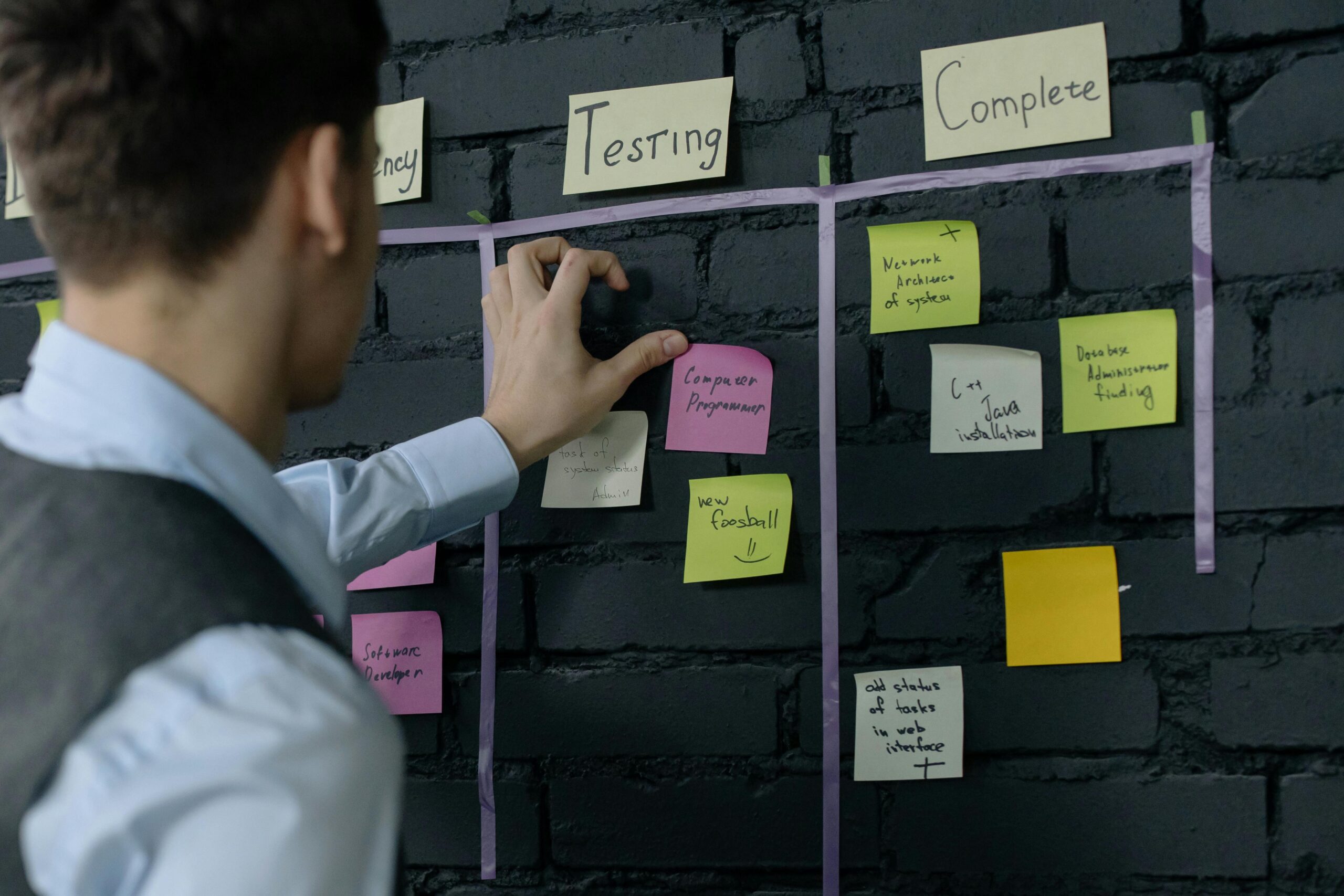
Success in today’s competitive landscape demands more than ambition—it requires a strategic approach that transforms feedback into actionable results, empowering teams to reach unprecedented levels of excellence.

Organizations worldwide are discovering that the secret to sustained growth lies not in perfect planning, but in their ability to listen, adapt, and execute based on continuous feedback. This dynamic approach creates a culture where improvement becomes embedded in daily operations, turning every challenge into an opportunity for refinement and every success into a foundation for greater achievements.
The concept of feedback-driven execution represents a fundamental shift from traditional management methodologies. Rather than relying solely on annual reviews or quarterly assessments, forward-thinking leaders are implementing real-time feedback loops that keep teams aligned, motivated, and constantly evolving. This approach doesn’t just improve outcomes—it transforms how organizations think about success itself.
🎯 Understanding the Feedback-Driven Execution Framework
Feedback-driven execution is a systematic approach that integrates continuous input from multiple sources into decision-making processes. This methodology recognizes that knowledge is distributed throughout an organization, and that tapping into this collective intelligence creates competitive advantages that isolated decision-making simply cannot match.
The framework operates on three fundamental principles: velocity, visibility, and validation. Velocity refers to the speed at which feedback is collected and implemented. Visibility ensures that insights reach the right stakeholders at the right time. Validation confirms that changes produce desired outcomes before scaling them across the organization.
Companies that master this approach report remarkable improvements in productivity, employee engagement, and customer satisfaction. They create environments where experimentation is encouraged, failures become learning opportunities, and success is systematically replicated.
Building a Culture That Embraces Constructive Feedback
Creating a feedback-rich environment starts with psychological safety. Team members must feel confident that sharing honest observations won’t result in negative consequences. Leaders play a crucial role here by modeling vulnerability, admitting their own mistakes, and demonstrating genuine appreciation for candid input.
This cultural transformation doesn’t happen overnight. It requires consistent reinforcement through both formal mechanisms and informal interactions. When feedback becomes normalized rather than feared, organizations unlock tremendous innovation potential that remains dormant in hierarchical, top-down structures.
The most successful organizations establish clear protocols for how feedback is given and received. They train employees in communication techniques that make criticism constructive rather than destructive, focusing on behaviors and outcomes rather than personal attributes.
Establishing Trust as the Foundation
Trust serves as the bedrock upon which effective feedback systems are built. Without it, even the most sophisticated processes fail to generate meaningful insights. Building trust requires transparency about decision-making processes, consistency in following through on commitments, and genuine care for team member development.
Leaders must demonstrate that feedback actually influences decisions. When teams see their input shaping strategies and initiatives, they become more invested in providing thoughtful, actionable observations. This creates a virtuous cycle where engagement breeds better feedback, which leads to better decisions, which further increases engagement.
Implementing Real-Time Feedback Mechanisms
Traditional feedback systems often suffer from significant time lags between observation and discussion. By the time annual reviews occur, contexts have changed, details have been forgotten, and opportunities for course correction have passed. Real-time feedback eliminates these problems by addressing issues and celebrating wins in the moment.
Technology plays an increasingly important role in facilitating continuous feedback. Digital platforms enable asynchronous communication, ensuring that insights can be shared regardless of physical location or time zones. These tools also create documentation trails that help identify patterns and track progress over time.
However, technology should enhance rather than replace human connection. The most effective feedback still occurs through face-to-face conversations where nuance, emotion, and context can be fully appreciated. Digital tools work best when they complement rather than substitute for direct interaction.
Leveraging Multiple Feedback Channels
Comprehensive feedback systems draw from diverse sources, creating a 360-degree view of performance and opportunities. Customer input reveals market perceptions and product opportunities. Peer observations highlight collaboration dynamics and skill gaps. Self-assessments encourage reflection and ownership of personal development.
Each channel provides unique perspectives that, when integrated thoughtfully, create a complete picture. Organizations should design their feedback architecture to capture these various viewpoints systematically while avoiding information overload that paralyzes decision-making.
- Customer surveys and usage analytics that reveal satisfaction trends and feature requests
- Regular one-on-one meetings between managers and team members for personalized guidance
- Cross-functional retrospectives that examine project outcomes and process improvements
- Anonymous suggestion systems that encourage candid observations without fear of attribution
- Performance dashboards that provide objective metrics alongside qualitative assessments
Transforming Feedback into Strategic Action
Collecting feedback represents only half the equation—the real value emerges through thoughtful analysis and decisive action. Organizations must develop systems that filter signal from noise, identifying patterns that warrant strategic responses versus isolated incidents that require individual attention.
Effective leaders establish clear criteria for prioritizing feedback. Not all input carries equal weight or urgency. Some insights demand immediate action, while others inform longer-term strategic planning. The ability to triage feedback appropriately prevents organizations from becoming reactive rather than strategic in their execution.
Transparency about how feedback influences decisions closes the loop and maintains engagement. When teams understand that their observations led to specific changes, they’re motivated to continue providing valuable input. This communication should acknowledge both implemented suggestions and those that weren’t pursued, with clear explanations for each decision.
Creating Actionable Insights from Data
Raw feedback requires interpretation to become useful. Organizations need analytical frameworks that identify trends, correlations, and root causes underlying surface-level observations. This analysis transforms anecdotal comments into strategic intelligence that drives meaningful improvement.
Visualization tools help stakeholders quickly grasp key insights without wading through volumes of raw data. Dashboards, heat maps, and trend charts make patterns immediately apparent, enabling faster decision-making and more focused discussions about priorities.
Empowering Teams Through Ownership and Autonomy
Feedback-driven execution reaches its full potential when teams have authority to act on insights within their domains. Micromanagement undermines the entire approach by creating bottlenecks and discouraging initiative. Empowered teams move faster, innovate more boldly, and take greater ownership of outcomes.
Establishing clear decision rights defines which choices teams can make independently versus those requiring escalation. This clarity eliminates ambiguity that slows execution and creates frustration. When boundaries are well-defined, teams operate confidently within their scope while escalating appropriately when needed.
Autonomy doesn’t mean isolation. High-performing organizations balance independence with alignment, ensuring that decentralized decisions support overarching strategic objectives. Regular communication about goals, constraints, and interdependencies keeps distributed teams coordinated without sacrificing agility.
Developing Decision-Making Competence
Empowerment requires capability. Organizations must invest in developing their teams’ analytical skills, judgment, and business acumen so that delegated authority produces sound decisions. Training programs, mentorship, and structured experience-building create the competence that makes autonomy effective rather than chaotic.
Learning from both successes and failures accelerates this development. Post-decision reviews that examine outcomes without blame help teams refine their judgment over time. This continuous improvement in decision-making quality compounds, creating increasingly capable organizations.
Measuring Progress and Celebrating Wins 🏆
What gets measured gets managed, and what gets celebrated gets repeated. Effective feedback systems include robust metrics that track both process adherence and outcome achievement. These measurements provide objective evidence of improvement and help identify areas still requiring attention.
Leading indicators predict future performance, while lagging indicators confirm results. Balanced scorecards incorporate both types, giving organizations early warning of potential issues alongside validation of strategies. This combination enables proactive adjustment rather than reactive crisis management.
Recognition plays a critical role in reinforcing desired behaviors. When teams see their feedback-driven improvements acknowledged and celebrated, they’re motivated to continue the cycle. This recognition should be specific, timely, and authentic, highlighting both individual contributions and collective achievements.
| Metric Category | Example Measurements | Strategic Value |
|---|---|---|
| Engagement | Feedback submission rates, participation in retrospectives | Indicates cultural health and team investment |
| Quality | Defect rates, customer satisfaction scores, revision cycles | Reveals effectiveness of improvement initiatives |
| Velocity | Time from feedback to implementation, project completion rates | Measures organizational agility and execution speed |
| Innovation | New ideas generated, experiments conducted, features launched | Tracks creative output and competitive differentiation |
Overcoming Common Implementation Challenges
Despite its benefits, feedback-driven execution faces predictable obstacles during implementation. Resistance to change represents perhaps the most common challenge, as established routines and power structures feel threatened by increased transparency and distributed decision-making.
Addressing this resistance requires patience, communication, and demonstration of early wins. Pilot programs that prove the approach in limited contexts build credibility before organization-wide rollouts. Champions who’ve experienced benefits firsthand become powerful advocates for broader adoption.
Information overload poses another significant risk. Without proper filtering and prioritization mechanisms, teams can become overwhelmed by feedback volume, leading to analysis paralysis or complete disengagement. Effective systems balance comprehensiveness with digestibility, ensuring insights are accessible without being overwhelming.
Maintaining Momentum Through Transitions
The initial enthusiasm surrounding new initiatives often fades as novelty wears off and competing priorities emerge. Sustaining feedback-driven practices requires embedding them into standard operating procedures rather than treating them as add-on activities. When feedback becomes integral to workflows rather than separate from them, it persists through organizational changes and leadership transitions.
Regular reinforcement through training refreshers, success stories, and visible leadership commitment keeps the approach top-of-mind. Organizations should treat feedback culture as an ongoing journey rather than a destination, continuously refining practices based on—appropriately enough—feedback about the feedback process itself.
Scaling Excellence Across Growing Organizations
As organizations expand, maintaining feedback quality and responsiveness becomes increasingly complex. What works for a team of ten faces challenges when scaled to hundreds or thousands. Successful scaling requires intentional design of communication structures, decision frameworks, and technology infrastructure.
Federated models often work best, with feedback mechanisms operating at multiple organizational levels while maintaining coherence through shared principles and platforms. This approach preserves the intimacy and relevance of team-level feedback while capturing enterprise-wide patterns and strategic insights.
Cross-functional communities of practice help disseminate best practices and lessons learned across organizational boundaries. These networks prevent silos from developing and ensure that innovations in one area benefit the entire organization.
The Competitive Advantage of Continuous Improvement
In markets characterized by rapid change and intense competition, the ability to learn and adapt faster than rivals creates sustainable advantages. Feedback-driven execution transforms organizations into learning machines that systematically convert experience into improved performance.
This capability becomes increasingly valuable as product lifecycles shorten and customer expectations evolve. Companies that excel at gathering, analyzing, and acting on feedback can pivot quickly when conditions change, while competitors remain locked into outdated strategies.
The compounding effect of continuous small improvements produces dramatic results over time. Organizations that consistently get one percent better accumulate gains that eventually create unbridgeable gaps between themselves and less disciplined competitors. Excellence becomes not a destination but an ongoing trajectory.
Leading the Transformation with Authenticity and Vision
Leadership commitment makes or breaks feedback-driven initiatives. When executives merely pay lip service to feedback while maintaining command-and-control behaviors, teams quickly recognize the hypocrisy and disengage. Authentic transformation requires leaders who genuinely embrace vulnerability and shared power.
Visionary leaders articulate compelling reasons why feedback-driven execution matters beyond mere process improvement. They connect the approach to larger purposes—better serving customers, creating more fulfilling work experiences, or achieving ambitious strategic goals. This sense of purpose sustains commitment through inevitable challenges.
The most effective leaders lead by example, actively seeking feedback on their own performance and demonstrating genuine receptivity to criticism. This vulnerability from the top creates permission for similar openness throughout the organization, accelerating cultural transformation.

Sustaining Excellence Through Evolving Practices 🚀
Feedback-driven execution is not a static methodology but an evolving discipline that must adapt to changing organizational needs and external conditions. The practices that serve a startup differ from those required by a mature enterprise. Regular evaluation of the feedback system itself ensures it remains relevant and effective.
Organizations should periodically assess whether their feedback mechanisms still capture the most important insights, whether analysis produces actionable intelligence, and whether implementation actually drives improved results. This meta-level feedback about feedback keeps the system healthy and responsive.
Emerging technologies continually create new possibilities for gathering and analyzing input. Artificial intelligence can identify patterns in unstructured feedback that humans might miss. Real-time sentiment analysis provides immediate pulse checks on team morale and customer satisfaction. Organizations that thoughtfully integrate these innovations while maintaining human judgment and empathy position themselves at the frontier of performance excellence.
The journey toward mastering feedback-driven execution requires commitment, patience, and persistent refinement. Organizations that embrace this approach discover that excellence is not achieved through perfect planning but through perfect iteration—continuously learning, adapting, and improving in response to reality. By empowering teams with voice and agency, implementing robust feedback systems, and maintaining unwavering commitment to action, organizations transform feedback from background noise into their most powerful strategic asset, driving sustainable success in an ever-changing world.