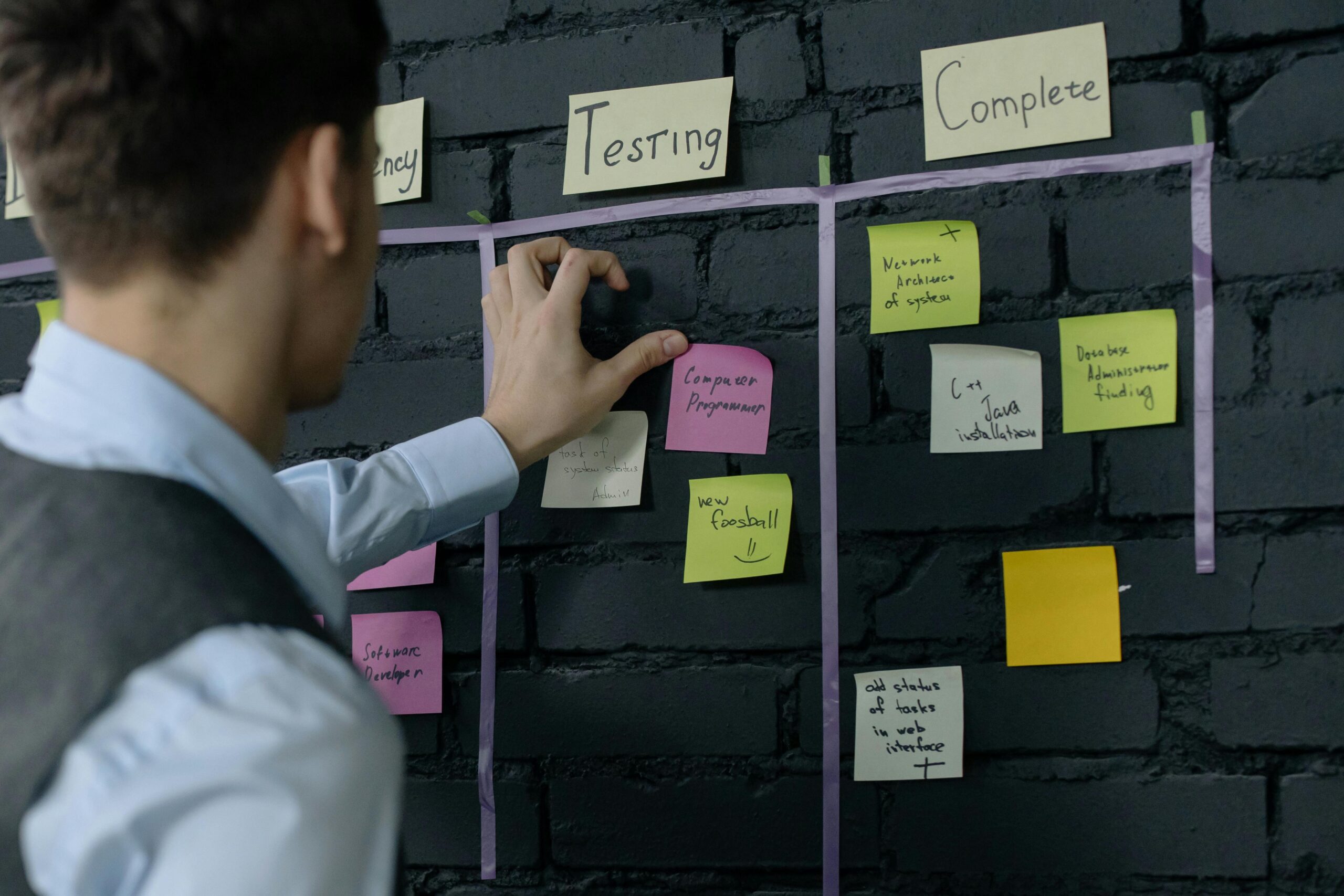
Building personal system resilience is the key to transforming challenges into opportunities for growth, allowing you to navigate uncertainty with confidence and emerge stronger.

In today’s rapidly changing world, the ability to bounce back from setbacks, adapt to new circumstances, and maintain your well-being under pressure has become more crucial than ever. Personal system resilience isn’t just about surviving difficult times—it’s about developing a comprehensive approach to life that enables you to thrive regardless of external circumstances.
This holistic capability encompasses your mental, emotional, physical, and social resources working together as an integrated system. When you master this art, you create a foundation that supports sustainable success and genuine fulfillment across all areas of your life.
🧠 Understanding Personal System Resilience: More Than Just Bouncing Back
Personal system resilience represents the dynamic capacity of your entire being to withstand stress, recover from adversity, and grow through challenges. Unlike simple resilience, which focuses primarily on recovery, personal system resilience emphasizes the interconnected nature of various life domains.
Your resilience system includes multiple components that work synergistically: your mindset and belief patterns, emotional regulation capabilities, physical health and energy management, social support networks, and adaptive behavioral strategies. When these elements function harmoniously, they create a robust framework that protects you during turbulent times.
Research in psychology and neuroscience has demonstrated that resilience isn’t a fixed trait you either have or don’t have. Instead, it’s a set of learnable skills and practices that anyone can develop with intention and consistency. This empowering truth means your potential for resilience is virtually limitless.
The Science Behind Resilient Systems
Neuroscientific studies reveal that resilient individuals demonstrate distinct patterns of brain activity, particularly in regions responsible for emotional regulation, executive function, and stress response. The prefrontal cortex, which governs decision-making and emotional control, shows enhanced connectivity with the amygdala in highly resilient people.
This neural architecture allows for better modulation of fear and stress responses, enabling more adaptive reactions to challenges. The good news? Neuroplasticity—your brain’s ability to form new neural connections—means you can strengthen these pathways through targeted practices.
💪 Building Your Mental Resilience Foundation
Mental resilience forms the cornerstone of your personal system’s ability to handle adversity. This dimension involves cultivating thought patterns, beliefs, and cognitive strategies that serve you during both calm and stormy periods.
Developing a growth mindset stands as perhaps the most powerful mental resilience practice. Coined by psychologist Carol Dweck, this concept involves viewing challenges as opportunities for development rather than threats to your competence. When you embrace this perspective, setbacks become valuable feedback rather than evidence of failure.
Cognitive flexibility—the ability to adapt your thinking to new, unexpected, or changing situations—represents another crucial mental skill. People with high cognitive flexibility can shift their perspective, consider alternative solutions, and avoid getting stuck in rigid thinking patterns that amplify stress.
Reframing Techniques That Transform Challenges
Cognitive reframing involves consciously changing how you interpret situations to create more empowering meanings. Instead of viewing a job loss as catastrophic failure, a resilient mindset sees potential opportunities for career redirection or skill development.
Practice asking yourself powerful reframing questions: “What can I learn from this situation?” “How might this challenge be serving my growth?” “What opportunities might this difficulty be revealing?” These questions redirect your mental energy toward constructive possibilities rather than destructive rumination.
❤️ Emotional Resilience: Navigating the Landscape of Feelings
Emotional resilience doesn’t mean suppressing difficult emotions or maintaining constant positivity. Rather, it involves developing healthy relationships with your entire emotional spectrum, including uncomfortable feelings like fear, anger, and sadness.
Emotional intelligence forms the foundation of this dimension. Self-awareness allows you to recognize and name your emotions accurately. Self-regulation enables you to respond to feelings constructively rather than being controlled by them. Empathy helps you understand others’ emotional experiences, strengthening your support systems.
Research consistently shows that people who can sit with discomfort, process difficult emotions, and extract meaning from painful experiences demonstrate significantly higher resilience levels. This emotional processing capacity prevents the accumulation of unresolved psychological material that can undermine your system over time.
Practices for Strengthening Emotional Capacity
Mindfulness meditation has emerged as one of the most evidence-based practices for building emotional resilience. Regular mindfulness practice strengthens your ability to observe emotions without immediate reactivity, creating space between stimulus and response where conscious choice becomes possible.
Journaling serves as another powerful tool for emotional processing. Writing about challenging experiences helps organize chaotic thoughts, identify patterns, and gain perspective. Expressive writing has been linked to improved immune function, reduced stress hormones, and better psychological well-being.
Emotional granularity—the ability to make fine-grained distinctions between different emotional states—also enhances resilience. Rather than experiencing all negative states as simply “feeling bad,” develop a rich emotional vocabulary that differentiates between disappointment, frustration, anxiety, sadness, and other distinct experiences.
🏃 Physical Resilience: Your Body as a Resilience Resource
Your physical state profoundly influences your capacity to handle stress and adversity. Energy levels, sleep quality, nutrition, and movement patterns all contribute to your overall system resilience. Neglecting physical health inevitably compromises your mental and emotional capacities.
Regular physical activity stands out as one of the most powerful resilience-building practices available. Exercise reduces stress hormones, increases endorphins, improves sleep quality, enhances cognitive function, and builds confidence through progressive achievement. Even moderate activity like daily walking produces significant benefits.
Sleep quality directly impacts every aspect of resilience. During sleep, your brain consolidates memories, processes emotions, clears metabolic waste, and repairs cellular damage. Chronic sleep deprivation undermines emotional regulation, decision-making, immune function, and stress tolerance—all critical resilience components.
Nutrition and Energy Management Strategies
What you eat significantly affects your resilience capacity. Nutrient-dense whole foods provide stable energy, support neurotransmitter production, reduce inflammation, and optimize brain function. Blood sugar instability from poor dietary choices creates additional stress on your system and impairs emotional regulation.
Strategic energy management involves understanding your natural rhythms and structuring your day accordingly. Most people experience peak cognitive performance in the morning, making this ideal for challenging tasks. Scheduling breaks, alternating between focused work and recovery periods, and protecting time for restoration all enhance sustainable performance.
🤝 Social Resilience: The Power of Connection
Human beings are fundamentally social creatures, and connection quality directly impacts resilience capacity. Strong relationships provide emotional support during difficulties, offer practical assistance, supply different perspectives on problems, and remind you of your worth during challenging times.
Social resilience involves both receiving support and offering it to others. Interestingly, research shows that helping others often provides even greater resilience benefits than receiving help, likely because it reinforces your sense of capability, purpose, and connection to something larger than yourself.
Building a diverse support network creates resilience through redundancy. Different relationships serve different functions—some friends offer empathy and emotional validation, others provide practical problem-solving, and still others inspire you with their perspective or humor. This diversity ensures you have appropriate support for various situations.
Cultivating Meaningful Connections in a Digital Age
While technology enables unprecedented connectivity, it doesn’t automatically create the deep relationships that build resilience. Prioritize face-to-face interactions when possible, engage in shared activities that create bonding experiences, and practice vulnerability by sharing authentically rather than presenting curated versions of yourself.
Setting healthy boundaries also strengthens social resilience. Relationships that consistently drain your energy, violate your values, or lack reciprocity undermine rather than support your system. Learning to identify and address such dynamics protects your resilience capacity.
🎯 Adaptive Strategies: Flexibility in Action
Behavioral flexibility—your ability to adjust actions based on changing circumstances—represents the practical application of resilience principles. Rigid adherence to plans, strategies, or identities creates brittleness that leads to breaking under pressure rather than bending and recovering.
Developing multiple coping strategies ensures you have appropriate tools for different situations. Problem-focused coping works well when you can directly address challenges. Emotion-focused coping helps when circumstances can’t be changed but your relationship to them can be adjusted. Meaning-focused coping helps you find purpose even in difficult situations.
Scenario planning builds resilience by mentally rehearsing various possibilities before they occur. Athletes use visualization to prepare for competitions; you can use similar techniques to prepare for challenging conversations, potential setbacks, or uncertain transitions. This mental preparation reduces anxiety and improves actual performance when situations arise.
🌱 Creating Your Personal Resilience Practice
Understanding resilience principles means little without consistent implementation. Creating sustainable practices requires starting small, building gradually, and integrating resilience-building activities into your existing routines rather than treating them as separate obligations.
Begin by assessing your current resilience across different dimensions. Where are your strengths? Which areas need development? This honest inventory provides direction for your growth efforts. Consider using a resilience assessment tool or working with a coach to gain clarity on your starting point.
Design a realistic practice that addresses multiple resilience dimensions. A comprehensive approach might include daily mindfulness meditation for emotional regulation, regular exercise for physical resilience, weekly connection time with supportive relationships, and monthly reflection on growth and learning for mental resilience.
Tracking Progress and Maintaining Momentum
What gets measured gets improved. Track relevant metrics like mood patterns, energy levels, sleep quality, exercise consistency, and subjective well-being ratings. These data points help you identify what practices produce the greatest benefits for your unique system.
Expect non-linear progress with periodic setbacks. Resilience building itself requires resilience—the ability to persist with your development even when progress feels slow or you experience temporary regression. View these moments as opportunities to practice the very skills you’re developing.
🔄 Transforming Crisis into Growth: Post-Traumatic Growth
Perhaps the most remarkable aspect of human resilience is the potential for post-traumatic growth—the phenomenon where people don’t just recover from adversity but actually experience positive transformation because of it. Research shows that many people who face significant challenges report increased personal strength, deeper relationships, greater appreciation for life, new possibilities, and spiritual development.
This growth doesn’t minimize suffering or suggest that trauma is beneficial. Rather, it recognizes that within difficulty lies potential for profound positive change when approached with intention and support. The key involves actively processing the experience, extracting meaning, and integrating lessons into your evolving identity.
Creating narratives about your challenges helps facilitate this growth. How you tell your story—as a victim of circumstances or as someone who grew through difficulty—significantly impacts your psychological trajectory. Resilient narratives acknowledge pain while emphasizing agency, learning, and transformation.
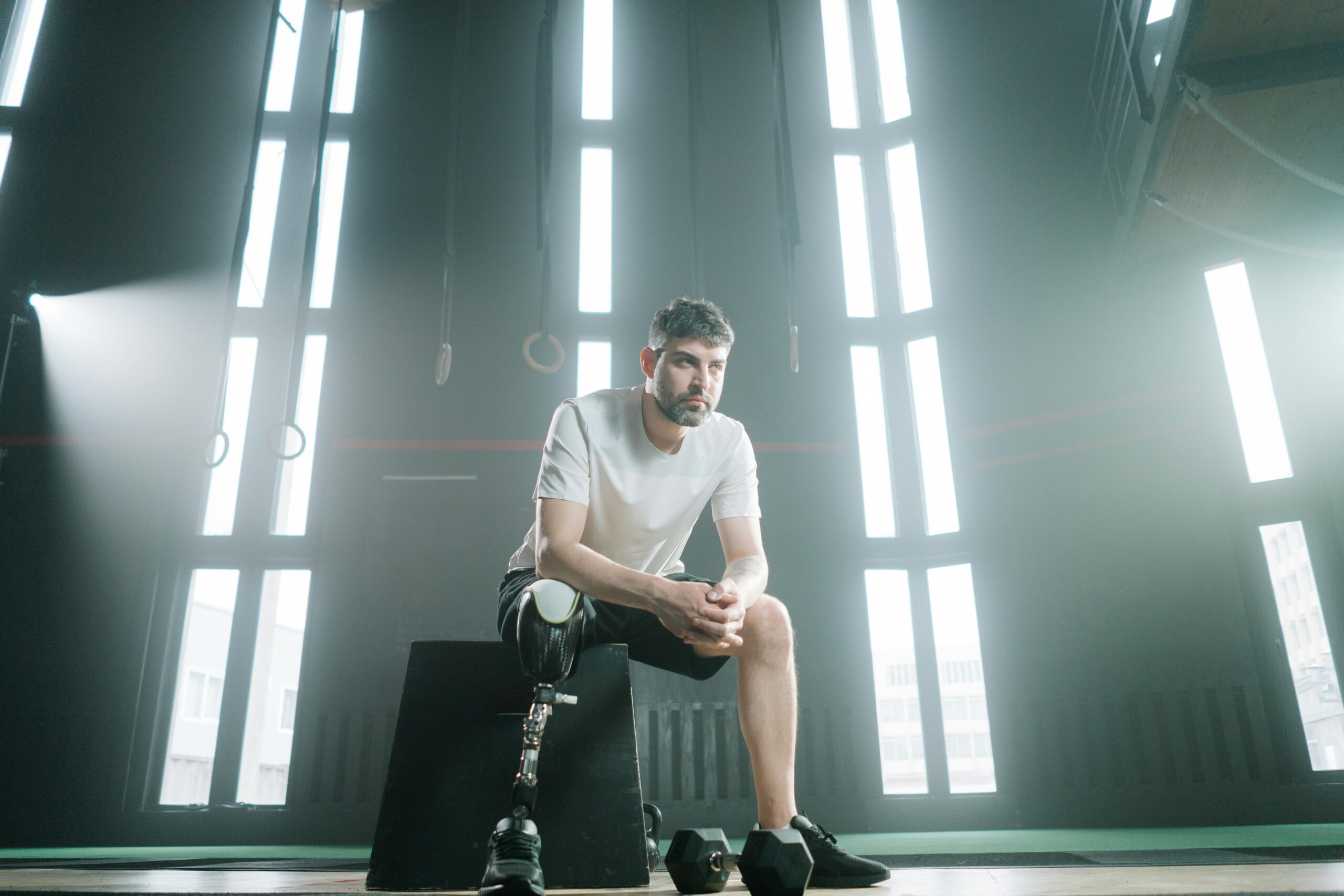
🚀 Living Your Resilient Life: Integration and Embodiment
Ultimately, personal system resilience transcends individual practices to become a way of being in the world. This integration involves aligning your daily choices with resilience principles, viewing challenges as expected parts of growth rather than aberrations, and trusting your capacity to handle whatever arises.
This doesn’t mean eliminating stress or difficulty from your life—an impossible and undesirable goal. Instead, it means developing such robust internal and external resources that you approach life’s inevitable uncertainties with confidence rather than fear, curiosity rather than rigidity, and growth mindset rather than fixed limitations.
Your resilience journey is uniquely yours. While universal principles apply across individuals, the specific practices, challenges, and expressions of resilience will reflect your particular circumstances, values, and aspirations. Honor this uniqueness while learning from others’ experiences and evidence-based approaches.
As you continue developing your personal system resilience, remember that this capacity serves not just your individual well-being but also your contribution to others and the world. Resilient individuals create resilient families, organizations, and communities. Your growth ripples outward in ways you may never fully recognize but that nonetheless make meaningful differences.
The art of personal system resilience offers you perhaps the most valuable skill set for navigating our complex, uncertain, and rapidly changing world. By intentionally developing your mental, emotional, physical, and social capacities, you unlock potential that may currently seem beyond reach. You transform from someone who merely survives challenges to someone who thrives because of them—and that transformation changes everything.