
Early warning systems have become essential lifelines in our unpredictable world, providing critical alerts that can mean the difference between life and death during emergencies.

🌍 The Evolution of Early Warning Systems in Modern Safety
From ancient watchtowers to sophisticated satellite networks, humanity has always sought ways to anticipate danger before it strikes. Early warning signal systems represent the culmination of centuries of innovation, combining cutting-edge technology with age-old wisdom about the importance of preparedness. These systems now protect billions of people worldwide from natural disasters, technological hazards, and other emergencies that threaten communities every day.
The fundamental principle behind early warning systems remains unchanged: detect potential threats, analyze their severity, disseminate warnings to those at risk, and enable timely protective action. What has transformed dramatically is our capability to execute each of these steps with unprecedented speed, accuracy, and reach. Modern systems leverage artificial intelligence, real-time data processing, and instant communication networks to provide warnings that can save countless lives.
Understanding the Four Pillars of Effective Warning Systems
Every successful early warning system rests on four essential components that work in harmony to protect communities. Risk knowledge forms the foundation, requiring comprehensive understanding of hazards, vulnerabilities, and exposure patterns in specific geographic areas. Without this foundational knowledge, warning systems cannot accurately assess threats or prioritize resources effectively.
Monitoring and detection capabilities represent the second pillar, involving sophisticated sensors, observation networks, and data collection mechanisms that continuously track potential hazards. These systems must operate reliably under all conditions, providing accurate real-time information that enables rapid threat assessment.
Communication Infrastructure: The Critical Connection
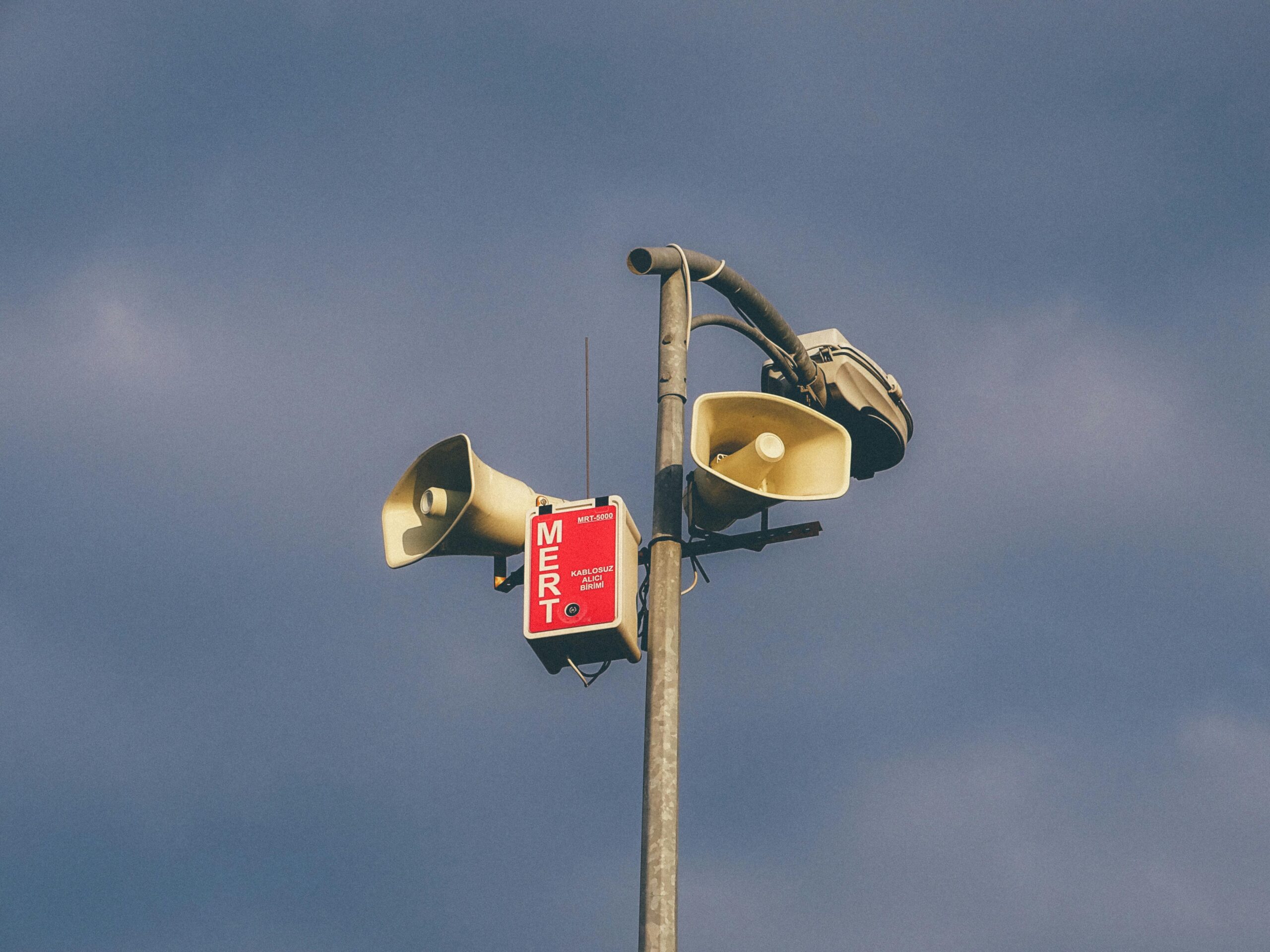
The third pillar focuses on dissemination and communication channels that deliver warnings to at-risk populations quickly and clearly. Modern systems employ multiple redundant channels including mobile apps, text messages, sirens, radio broadcasts, and social media to ensure messages reach everyone regardless of their circumstances or preferences.
Response capability completes the framework, ensuring that individuals and institutions can take appropriate protective action when warnings arrive. This requires public education, emergency preparedness planning, and well-rehearsed protocols that translate warnings into effective life-saving actions.
📱 Digital Revolution: Mobile Technology Transforms Emergency Alerting
Smartphones have revolutionized early warning systems by putting powerful alerting capabilities directly into people’s pockets. Mobile applications dedicated to emergency notifications now provide personalized, location-specific warnings that adapt to individual circumstances and preferences. These apps represent a quantum leap forward in making safety information accessible and actionable for everyone.
Government agencies worldwide have developed official emergency alert applications that integrate with national warning systems. These platforms deliver authoritative information during natural disasters, severe weather events, public safety threats, and other emergencies requiring immediate public awareness and response.
Private sector innovations have also contributed significantly to the early warning ecosystem. Weather monitoring apps use hyperlocal data to provide minute-by-minute forecasts and severe weather alerts tailored to precise locations. Earthquake detection apps leverage smartphone sensors to create crowdsourced seismic networks that can provide seconds of warning before major shaking arrives—precious time that allows people to take cover or halt dangerous activities.
The Power of Community-Based Alert Networks
Beyond official channels, community-driven warning systems have emerged as powerful complements to government infrastructure. Neighborhood watch apps, local emergency groups, and community alert networks create social safety nets that enhance formal warning systems with local knowledge and rapid grassroots communication.
These community platforms prove especially valuable during localized emergencies that might not trigger national alert systems but still pose significant risks to specific neighborhoods or groups. They also foster collective preparedness culture, encouraging residents to stay informed, support vulnerable neighbors, and participate actively in community resilience efforts.
🌊 Natural Disaster Warning Systems: Lessons from the Frontlines
Natural disasters present some of the most challenging scenarios for early warning systems, testing their capabilities against the raw power of nature. Tsunami warning systems exemplify the sophisticated coordination required to protect coastal populations from fast-moving ocean threats. These networks combine seismic monitoring, ocean buoys, tide gauges, and satellite observations to detect potential tsunamis and calculate arrival times for threatened coastlines.
When sensors detect underwater earthquakes with tsunami-generating potential, automated systems immediately begin analyzing data to determine threat levels. Within minutes, warnings flow through multiple channels to coastal communities, emergency management agencies, and critical infrastructure operators. Modern systems can now provide accurate arrival time estimates and inundation predictions that enable targeted evacuations of the most vulnerable areas.
Hurricane and Cyclone Tracking Technologies
Tropical cyclone warning systems demonstrate how sustained observation and sophisticated modeling create actionable forecasts days in advance. Satellite imagery, aircraft reconnaissance, ocean buoys, and coastal radar stations feed data into powerful computer models that predict storm tracks, intensification patterns, and potential impacts with remarkable accuracy.
These multi-day lead times enable comprehensive preparation including evacuations, infrastructure hardening, supply prepositioning, and resource mobilization. The evolution of hurricane warning systems over recent decades has dramatically reduced death tolls despite increasing coastal populations, proving that effective early warnings combined with preparedness save lives.
⚡ Technological Hazard Monitoring: Industrial and Nuclear Safety
Early warning systems extend beyond natural hazards to monitor technological risks including industrial accidents, nuclear incidents, and chemical releases. These systems employ continuous monitoring of critical facilities, automated detection of anomalous conditions, and rapid notification protocols that enable emergency response before situations escalate.
Nuclear power facilities maintain sophisticated monitoring networks that track hundreds of parameters continuously, with automated systems that can detect deviations from normal operations and trigger protective actions within milliseconds. These technical safeguards work alongside emergency planning zones around facilities, where specialized alert systems can notify nearby populations within minutes if protective actions become necessary.
Chemical plants, refineries, and other industrial facilities similarly employ layered monitoring and warning systems designed to detect leaks, fires, explosions, or toxic releases early enough to protect workers and surrounding communities. Integration with local emergency management ensures that warnings reach the right people with actionable guidance appropriate to the specific hazard.
🧠 Psychological Dimensions: Building Trust and Ensuring Response
The most sophisticated warning system fails if people don’t trust it or don’t know how to respond appropriately. Understanding human behavior during emergencies represents a critical component of effective early warning, requiring systems designed around how people actually receive, interpret, and act on threat information.
Warning fatigue poses a significant challenge when systems issue frequent alerts for threats that don’t materialize or prove less severe than predicted. This can erode trust and lead people to ignore subsequent warnings, potentially with tragic consequences. Carefully calibrated alert thresholds, clear communication about uncertainty, and consistent follow-up information help maintain credibility over time.
Cultural Competency in Emergency Communication
Effective warnings must reach and resonate with diverse populations including linguistic minorities, people with disabilities, elderly individuals, and communities with limited technological access. Multi-language alerts, visual and audible warnings, and community-appropriate messaging ensure inclusivity in emergency communication.
Traditional knowledge and indigenous warning systems offer valuable insights that complement modern technology. Many communities have developed local indicators of impending natural disasters through generations of observation. Integrating this traditional wisdom with scientific monitoring creates more robust warning systems that leverage both cutting-edge technology and time-tested local knowledge.
🏗️ Infrastructure Resilience: Keeping Warning Systems Operational
Warning systems must function reliably during the very emergencies they’re designed to address, requiring exceptional resilience and redundancy. Communication infrastructure faces particular vulnerability during disasters, with power outages, network congestion, and physical damage potentially disrupting alert dissemination precisely when it’s most needed.
Modern warning infrastructure incorporates multiple layers of backup including battery systems, emergency generators, satellite communication links, and distributed networks that can maintain functionality even when portions fail. Priority access protocols ensure emergency messages can transmit even when networks become overwhelmed with traffic during major incidents.
Regular testing and maintenance keep warning systems ready for real emergencies. Many jurisdictions conduct periodic test activations that familiarize the public with alert signals while verifying that technical systems function correctly. These exercises also provide opportunities to evaluate public response and identify areas for improvement in warning protocols or preparedness education.
📊 Data Analytics and Artificial Intelligence: The Future of Prediction
Artificial intelligence and machine learning are transforming early warning capabilities by identifying subtle patterns in vast datasets that human analysts might miss. AI systems can process multiple data streams simultaneously, detecting anomalies and correlations that indicate developing threats earlier than traditional methods.
Predictive analytics applied to historical disaster data, weather patterns, seismic activity, and other variables enable probabilistic forecasting that extends warning lead times and improves accuracy. These systems continuously learn from new data, refining their models and becoming more sophisticated with each event they observe.
Social Media Mining for Real-Time Situation Awareness
Social media platforms have emerged as valuable sources of ground-truth information during emergencies, with affected populations providing real-time reports, photos, and videos that complement official sensors and observations. Automated systems now monitor social media for keywords, locations, and patterns indicating developing emergencies, providing additional situational awareness that enhances formal warning systems.
This crowdsourced intelligence proves particularly valuable during fast-moving events where official information may lag behind rapidly changing conditions. Emergency managers increasingly incorporate social media monitoring into their operations, using public reports to verify sensor data, identify unexpected impacts, and direct response resources more effectively.
🌐 International Cooperation: Global Networks for Transboundary Threats
Many hazards respect no borders, requiring international cooperation to provide effective warnings. Tsunami systems, pandemic monitoring, atmospheric hazard tracking, and space weather observation all depend on global networks that share data and coordinate warnings across multiple countries.
International frameworks like the United Nations’ early warning systems initiatives promote standardization, interoperability, and capacity building to ensure all nations can participate in and benefit from global warning networks. Developing countries particularly benefit from international support that enables them to establish and maintain sophisticated warning capabilities they might not afford independently.
Cross-border coordination proves essential for transboundary river flooding, airborne pollution transport, wildfire spread, and other hazards that can affect multiple countries simultaneously. Regional warning systems enable neighboring nations to share observations, coordinate alerts, and harmonize response efforts for maximum effectiveness.
💡 Personal Preparedness: Maximizing the Value of Early Warnings
Even the best warning system provides little protection if individuals haven’t prepared to respond effectively. Personal emergency preparedness transforms warnings from abstract information into concrete protective action that keeps families safe during crises.
Creating household emergency plans ensures everyone knows what to do when warnings arrive. These plans should address different types of emergencies, identify evacuation routes and shelter locations, establish family communication protocols, and designate responsibilities for children, elderly family members, and pets.
- Assemble emergency supply kits with water, non-perishable food, medications, flashlights, batteries, and first aid supplies
- Identify safe locations in your home for different hazards like earthquakes, tornadoes, or chemical releases
- Learn your community’s warning signals and understand what protective actions each signal indicates
- Sign up for local emergency alert systems through official government applications and community notification networks
- Participate in community emergency drills and training opportunities to practice response procedures
- Maintain important documents in waterproof containers and keep copies in secure cloud storage
- Establish out-of-area emergency contacts who can serve as information hubs if local communications fail
Special Considerations for Vulnerable Populations
Certain populations face unique challenges during emergencies requiring special attention in preparedness planning. People with disabilities may need assistance evacuating or accessing emergency information. Elderly individuals might have mobility limitations or medical requirements that complicate emergency response. Non-native speakers may struggle with warning messages in unfamiliar languages.
Inclusive preparedness addresses these needs through personalized planning, community support networks, and accessible warning systems designed with diverse populations in mind. Checking on vulnerable neighbors, offering assistance, and ensuring everyone has the resources needed to respond effectively strengthens entire communities.
🔄 Continuous Improvement: Learning from Every Event
Each emergency provides valuable lessons that can improve future warning system performance. Post-event analysis examines what worked well, what fell short, and what unexpected challenges emerged during real-world activation. These reviews drive continuous refinement of technical systems, communication protocols, and response procedures.
Public feedback plays a crucial role in improvement efforts. Surveys and interviews with people who received warnings reveal how messages were interpreted, what actions people took, and what information would have been more helpful. This human perspective complements technical performance metrics to create comprehensive understanding of warning system effectiveness.
Technological advances, changing hazard patterns, and evolving community demographics all require regular updates to warning systems. Climate change is altering the frequency and intensity of many natural hazards, demanding corresponding adjustments to monitoring networks and alert thresholds. Urban development changes exposure patterns and vulnerabilities, necessitating updated risk assessments and warning protocols.
🎯 Harnessing Peace of Mind Through Preparedness
The ultimate value of early warning systems extends beyond physical safety to encompass psychological wellbeing and community resilience. Knowing that sophisticated monitoring networks stand watch, that reliable warnings will arrive in time, and that you’ve prepared to respond effectively provides profound peace of mind in an uncertain world.
This confidence doesn’t come from ignoring risks but from confronting them realistically and preparing proportionate responses. Early warning systems empower individuals and communities to coexist safely with natural hazards and technological risks, turning paralyzing fear into productive preparedness.
Investment in warning systems represents one of the most cost-effective disaster risk reduction measures available. The expense of maintaining monitoring networks and alert infrastructure pales compared to the lives saved, injuries prevented, and property damage avoided when timely warnings enable protective action. Economic analyses consistently show that every dollar spent on early warning generates multiple dollars in avoided losses.
Building cultures of preparedness requires sustained effort across government, civil society, private sector, and individual households. When everyone understands risks, trusts warning systems, and knows how to respond, entire communities become more resilient. This collective readiness transforms early warnings from technical alerts into catalysts for coordinated action that protects everyone.
The future of early warning systems promises even greater capabilities through emerging technologies, improved scientific understanding, and enhanced international cooperation. Quantum computing may enable unprecedented forecasting accuracy. Internet of Things sensors could provide detailed real-time environmental monitoring. Advanced AI might predict cascading failures and compound disasters before they develop.
Yet technology alone cannot provide complete protection. Human judgment, community solidarity, and individual responsibility remain essential elements of effective early warning. The most sophisticated system achieves nothing if people don’t receive warnings, trust their accuracy, understand appropriate responses, and take timely action.
By understanding how early warning systems work, actively participating in community preparedness efforts, and maintaining personal emergency plans, everyone can harness these powerful tools to protect themselves, their families, and their communities. The peace of mind that comes from genuine preparedness allows us to face an uncertain future with confidence, knowing we’ve taken reasonable precautions against foreseeable risks.
Early warning signal systems represent humanity’s collective determination to anticipate danger, protect vulnerable populations, and build safer communities for everyone. As these systems continue evolving and improving, they offer growing hope that we can coexist safely with natural hazards and technological risks, turning the power of prediction into the promise of protection.