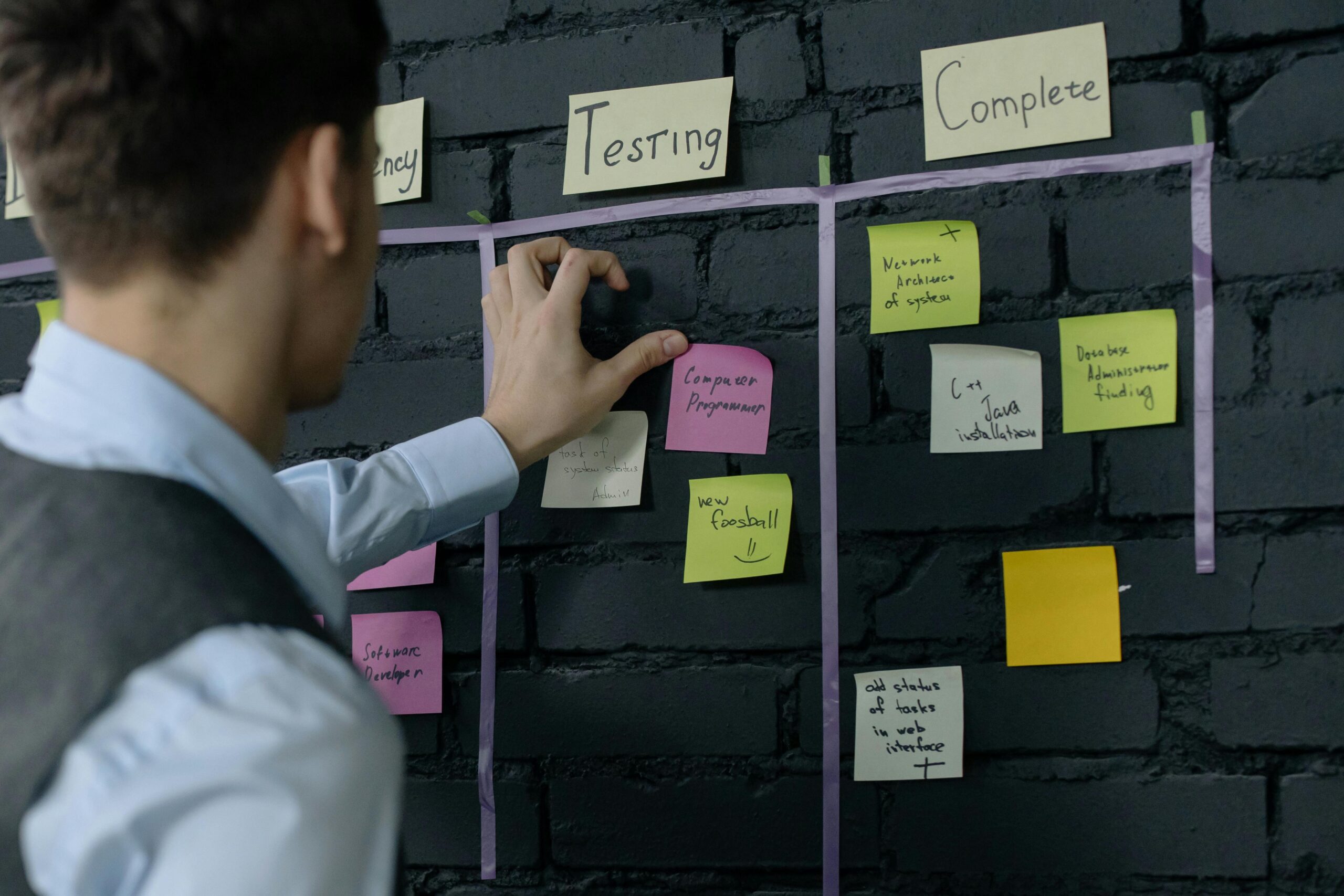
Action Flow Architecture is revolutionizing how teams design, implement, and optimize workflows, merging cutting-edge innovation with seamless operational performance across industries.

🚀 Understanding the Foundation of Action Flow Architecture
In today’s hyper-competitive business landscape, organizations face mounting pressure to deliver faster, smarter, and more efficiently than ever before. Action Flow Architecture emerges as a strategic framework that reimagines how processes, people, and technology interconnect to create value. Unlike traditional linear workflows, this architectural approach emphasizes dynamic responsiveness, adaptability, and continuous optimization.
At its core, Action Flow Architecture represents a paradigm shift from rigid, sequential processes to fluid, event-driven systems. It acknowledges that modern business challenges rarely follow predictable patterns. Instead, they demand architectures capable of responding intelligently to changing conditions, customer behaviors, and market dynamics. This framework integrates principles from systems thinking, agile methodologies, and advanced automation to create workflows that aren’t just efficient—they’re intelligent.
The architecture operates on three fundamental pillars: orchestration, automation, and intelligence. Orchestration ensures that various system components work harmoniously toward common objectives. Automation eliminates repetitive manual tasks, freeing human talent for strategic initiatives. Intelligence leverages data analytics and machine learning to continuously refine processes based on real-world performance metrics.
🎯 Why Traditional Workflow Models Fall Short
Traditional workflow management systems were designed for a different era—one characterized by predictability, stability, and linear processes. These legacy approaches typically rely on predetermined sequences of tasks, rigid approval hierarchies, and limited flexibility. While they served their purpose in industrial-age operations, they struggle to accommodate the complexity and velocity of modern digital business.
One critical limitation of conventional models is their inability to handle exceptions gracefully. When unexpected events occur—and they increasingly do—traditional workflows often grind to a halt, requiring manual intervention and creating bottlenecks. This brittleness translates directly into lost productivity, delayed deliverables, and frustrated customers.
Furthermore, legacy systems typically operate in silos, with limited visibility across departmental boundaries. Marketing doesn’t see what operations is doing; customer service can’t access real-time inventory data; finance operates on delayed information. This fragmentation creates communication gaps, duplicated efforts, and missed opportunities for optimization.
Action Flow Architecture addresses these shortcomings by introducing adaptive pathways, cross-functional transparency, and event-driven triggers that respond dynamically to business conditions. Rather than forcing reality to conform to rigid processes, this approach allows processes to flex and adapt to reality.
💡 Core Components That Drive Efficiency
Implementing Action Flow Architecture requires understanding its essential building blocks. Each component plays a specific role in creating workflows that are both powerful and flexible.
Event-Driven Triggers
Unlike schedule-based or manual initiation, event-driven triggers activate workflows based on specific conditions or occurrences. A customer completing a purchase, inventory falling below threshold levels, or a support ticket remaining unresolved for a defined period—these events automatically initiate appropriate action flows without human intervention. This responsiveness dramatically reduces latency and ensures timely reactions to critical business moments.
Intelligent Decision Nodes
Modern Action Flow Architecture incorporates smart decision points that evaluate multiple variables before determining the optimal pathway. These nodes can analyze customer data, historical patterns, resource availability, and business rules simultaneously to route actions through the most effective channels. Machine learning algorithms continuously refine these decision criteria based on outcomes, creating systems that become smarter over time.
Parallel Processing Capabilities
Rather than forcing sequential task completion, advanced architectures enable parallel processing where appropriate. Multiple actions can occur simultaneously, dramatically compressing timeframes. An onboarding workflow might simultaneously provision system access, schedule training, assign a mentor, and order equipment—tasks that traditionally happened in sequence over days or weeks.
Integration Hubs
Action Flow Architecture thrives on connectivity. Integration hubs serve as central connection points linking diverse systems, databases, and applications. Through APIs, webhooks, and middleware, these hubs ensure seamless data flow across the technological ecosystem, eliminating the information silos that plague traditional approaches.
🔧 Implementing Action Flow Architecture in Your Organization
Transitioning to Action Flow Architecture requires thoughtful planning and phased implementation. Organizations that succeed typically follow a structured approach that balances ambition with pragmatism.
Begin with process mapping and analysis. Document your current workflows comprehensively, identifying bottlenecks, redundancies, and pain points. Engage stakeholders across departments to capture diverse perspectives on how work actually flows—not just how it theoretically should flow. This discovery phase often reveals surprising disconnects between documented procedures and actual practice.
Next, prioritize transformation opportunities based on impact and feasibility. Not all processes warrant immediate redesign. Focus initially on workflows that combine high business value with reasonable complexity. Quick wins build momentum and demonstrate value, securing stakeholder buy-in for more ambitious initiatives.
Technology selection represents a critical decision point. The market offers numerous platforms supporting Action Flow Architecture principles, from enterprise-grade solutions to specialized tools. Evaluate options based on scalability, integration capabilities, user experience, and alignment with your existing technology stack. Consider platforms that offer low-code or no-code interfaces, democratizing workflow design beyond IT departments.
Pilot programs allow for controlled experimentation and learning. Select a specific business process or department as your initial implementation target. Design the new action flow, configure the supporting technology, and launch with comprehensive monitoring. Collect feedback, measure performance metrics, and iterate based on real-world results before expanding to additional areas.
📊 Measuring Success and Optimizing Performance
Action Flow Architecture delivers value only when properly measured and continuously optimized. Establishing the right metrics framework ensures you can track improvements and identify opportunities for further refinement.
Cycle time represents one of the most critical metrics—how long does it take to complete an entire workflow from initiation to conclusion? Action Flow Architecture typically delivers substantial cycle time reductions by eliminating wait states, automating handoffs, and enabling parallel processing. Track this metric before and after implementation to quantify efficiency gains.
Error rates and exception handling provide insight into workflow quality. Well-designed action flows should reduce errors by incorporating validation checks, providing clear guidance, and automating error-prone manual tasks. Monitor both the frequency of errors and the time required to resolve exceptions.
Resource utilization metrics reveal how effectively your workflows deploy human and technological assets. Are team members spending time on high-value activities or getting bogged down in administrative tasks? Is your technology infrastructure properly scaled, or are you experiencing bottlenecks during peak periods?
Customer satisfaction scores often improve significantly when organizations implement sophisticated action flows, particularly in customer-facing processes. Faster response times, fewer errors, and more personalized experiences directly translate into happier customers. Track relevant satisfaction metrics to capture this dimension of value.
🌟 Innovation Unleashed Through Architectural Excellence
Beyond efficiency gains, Action Flow Architecture creates space for innovation by freeing teams from operational drudgery. When routine processes run smoothly with minimal intervention, talented professionals can redirect their energy toward creative problem-solving, strategic thinking, and innovation initiatives.
The architecture itself enables experimental approaches that would be impractical with rigid traditional systems. Organizations can rapidly prototype new workflows, test them with real users, gather feedback, and iterate—applying agile principles to business process design. This experimental mindset transforms process improvement from periodic reengineering projects into continuous evolutionary refinement.
Data generated through action flows provides rich insights into business operations. Analytics reveal patterns, trends, and opportunities invisible in traditional systems. Organizations leverage this intelligence to identify new market opportunities, optimize resource allocation, and predict future needs with greater accuracy.
Cross-functional collaboration flourishes when workflows provide transparency and shared context. Marketing understands product development timelines; operations sees customer feedback in real-time; finance accesses current sales pipeline data. This visibility breaks down silos and enables coordination that drives innovation across organizational boundaries.
🔐 Ensuring Security and Compliance Within Action Flows
As workflows become more automated and interconnected, security and compliance considerations grow increasingly critical. Action Flow Architecture must incorporate robust safeguards protecting sensitive data and ensuring regulatory adherence.
Role-based access controls ensure that individuals interact only with workflow components appropriate to their responsibilities. Sensitive approval steps, confidential data fields, and privileged actions remain restricted to authorized personnel. Comprehensive audit trails document every action, creating accountability and supporting compliance demonstrations.
Data encryption both in transit and at rest protects information as it flows through various systems and components. Integration points represent potential vulnerability, requiring careful attention to authentication, authorization, and secure communication protocols.
Compliance requirements vary by industry and geography, but Action Flow Architecture can actually simplify adherence by embedding compliance checks directly into workflows. Automated validation ensures required documentation is complete, appropriate approvals are obtained, and regulatory deadlines are met—reducing compliance risk while minimizing manual oversight burden.
🌐 Scaling Action Flow Architecture Across the Enterprise
Successful pilot implementations naturally lead to questions about enterprise-wide scaling. Expanding Action Flow Architecture across departments, geographies, and business units requires deliberate planning and governance.
Establish centers of excellence that develop organizational expertise, maintain best practices, and provide support to teams implementing action flows. These centers serve as knowledge repositories and innovation hubs, accelerating capability development across the organization.
Standardization and customization must be carefully balanced. Develop reusable components and templates that codify proven approaches while allowing flexibility for department-specific requirements. A purchase requisition workflow might share common approval logic across the organization while accommodating unique requirements for different spending categories or regions.
Change management becomes paramount at scale. Comprehensive training programs ensure users understand not just how to interact with new workflows but why they’re designed as they are. Champions within each department can evangelize benefits, support peers, and provide feedback to central teams.
Governance frameworks define decision rights, standards, and oversight mechanisms. Who can create new workflows? What approval is required before deployment? How are conflicts between departmental workflows resolved? Clear governance prevents chaos while preserving appropriate autonomy.
🚦 Overcoming Common Implementation Challenges
Organizations embarking on Action Flow Architecture journeys inevitably encounter obstacles. Anticipating common challenges enables proactive mitigation strategies.
Resistance to change represents perhaps the most predictable challenge. Employees comfortable with existing processes may view new workflows skeptically, particularly if implementation is poorly communicated or training is inadequate. Address resistance through transparent communication about benefits, inclusive design processes that incorporate user feedback, and visible executive sponsorship.
Technical integration complexities can derail implementations when legacy systems lack modern APIs or documentation is poor. Invest time in thorough technical discovery before committing to architectural designs. Sometimes middleware or custom integration development is necessary to bridge gaps between old and new systems.
Over-engineering workflows represents another common pitfall. The flexibility of Action Flow Architecture can tempt designers to create unnecessarily complex processes attempting to handle every conceivable scenario. Simplicity should be a guiding principle—design for the 80% use case and handle exceptions through managed processes rather than infinitely branching logic.
Inadequate monitoring and support during initial deployment leaves users frustrated and undermines adoption. Plan for intensive support during launch periods, with readily accessible help resources and responsive troubleshooting. Early experiences shape long-term perceptions, making strong initial support critical to success.
🎓 Building Organizational Capability for Long-Term Success
Action Flow Architecture represents not just a technological implementation but a fundamental shift in how organizations think about work. Building sustainable capability requires investment in people, not just systems.
Develop training curricula that address different stakeholder needs. Business analysts require skills in process modeling and workflow design. Developers need technical proficiency with integration APIs and scripting. End users benefit from focused training on their specific interactions with new workflows. Executives need strategic perspective on how Action Flow Architecture advances organizational objectives.
Cultivate a culture of continuous improvement where teams regularly review workflow performance and propose enhancements. Regular retrospectives, performance dashboards, and idea management systems create channels for ongoing optimization suggestions. Recognize and reward innovations that improve workflow efficiency or effectiveness.
Stay connected to the evolving ecosystem of tools, techniques, and best practices. The field of workflow automation and process architecture continues advancing rapidly. Participate in professional communities, attend relevant conferences, and maintain awareness of emerging capabilities that could enhance your architecture.
✨ The Competitive Advantage of Operational Excellence
Organizations that master Action Flow Architecture develop formidable competitive advantages. Operational excellence becomes embedded in daily operations rather than remaining an aspirational goal discussed in strategy documents.
Speed-to-market accelerates when workflows eliminate unnecessary delays and automate routine approvals. Products reach customers faster, responses to competitive threats occur more rapidly, and opportunities are captured before they disappear. In fast-moving markets, this responsiveness often separates leaders from laggards.
Cost structures improve as automation reduces labor requirements for routine tasks and error reduction minimizes rework and waste. These savings compound over time, creating resources for reinvestment in innovation and growth initiatives.
Customer experiences differentiate brands in crowded markets. Action Flow Architecture enables personalization at scale, responsive service delivery, and consistent quality across touchpoints. Customers notice the difference, translating operational excellence into loyalty and advocacy.
Employee satisfaction and retention benefit when talented professionals spend their time on meaningful work rather than administrative drudgery. Organizations with sophisticated action flows become magnets for top talent seeking environments where they can make real impact.

🔮 Future Trajectories in Action Flow Evolution
The field of Action Flow Architecture continues evolving as new technologies and methodologies emerge. Forward-thinking organizations monitor these trends to maintain their competitive edge.
Artificial intelligence integration deepens as machine learning models become more sophisticated and accessible. Future action flows will incorporate predictive analytics that anticipate needs before they arise, natural language processing that understands unstructured inputs, and computer vision that extracts information from documents and images automatically.
Hyper-automation represents the convergence of multiple technologies—robotic process automation, AI, machine learning, and advanced analytics—into comprehensive automation ecosystems. Action Flow Architecture provides the orchestration layer coordinating these diverse capabilities into coherent, business-aligned processes.
Low-code and no-code platforms democratize workflow design, enabling business users to create and modify action flows without extensive technical expertise. This democratization accelerates innovation by moving design authority closer to business problems and reducing dependency on constrained IT resources.
Process mining technologies automatically discover actual workflows by analyzing system logs and user interactions. These insights reveal how work truly flows versus how it theoretically should flow, identifying optimization opportunities and validating that implemented action flows perform as designed.
The journey toward mastering efficiency through Action Flow Architecture requires commitment, investment, and patience. Organizations that embrace this transformation position themselves for sustainable success in an increasingly complex and fast-paced business environment. By unleashing innovation and enabling seamless performance, they create operational capabilities that become enduring sources of competitive advantage.