
End-to-end execution design represents a transformative approach to organizational efficiency, enabling businesses to orchestrate seamless workflows from initial concept to final delivery while maximizing value creation.

🎯 Understanding the Foundation of End-to-End Execution Design
In today’s rapidly evolving business landscape, organizations face unprecedented pressure to deliver results faster, smarter, and with fewer resources. End-to-end execution design emerges as a critical methodology that connects every touchpoint in your operational chain, ensuring nothing falls through the cracks. This comprehensive approach examines processes holistically rather than in isolated segments, creating a unified framework that drives consistent outcomes.
The fundamental principle behind this methodology is simple yet profound: every action, decision, and task within an organization connects to broader strategic objectives. When you design with the complete journey in mind, you eliminate redundancies, identify bottlenecks before they become critical, and create natural synergies between departments that traditionally operate in silos.
Traditional process management often focuses on optimizing individual components without considering their interdependencies. End-to-end execution design challenges this fragmented thinking by mapping the entire value stream, from customer inquiry to post-delivery support, ensuring alignment at every stage. This holistic perspective reveals hidden inefficiencies that localized improvements would never address.
🔍 The Core Components That Drive Successful Implementation
Implementing end-to-end execution design requires understanding its fundamental building blocks. These components work together to create a cohesive system that adapts to changing business needs while maintaining operational excellence.
Process Mapping and Visualization
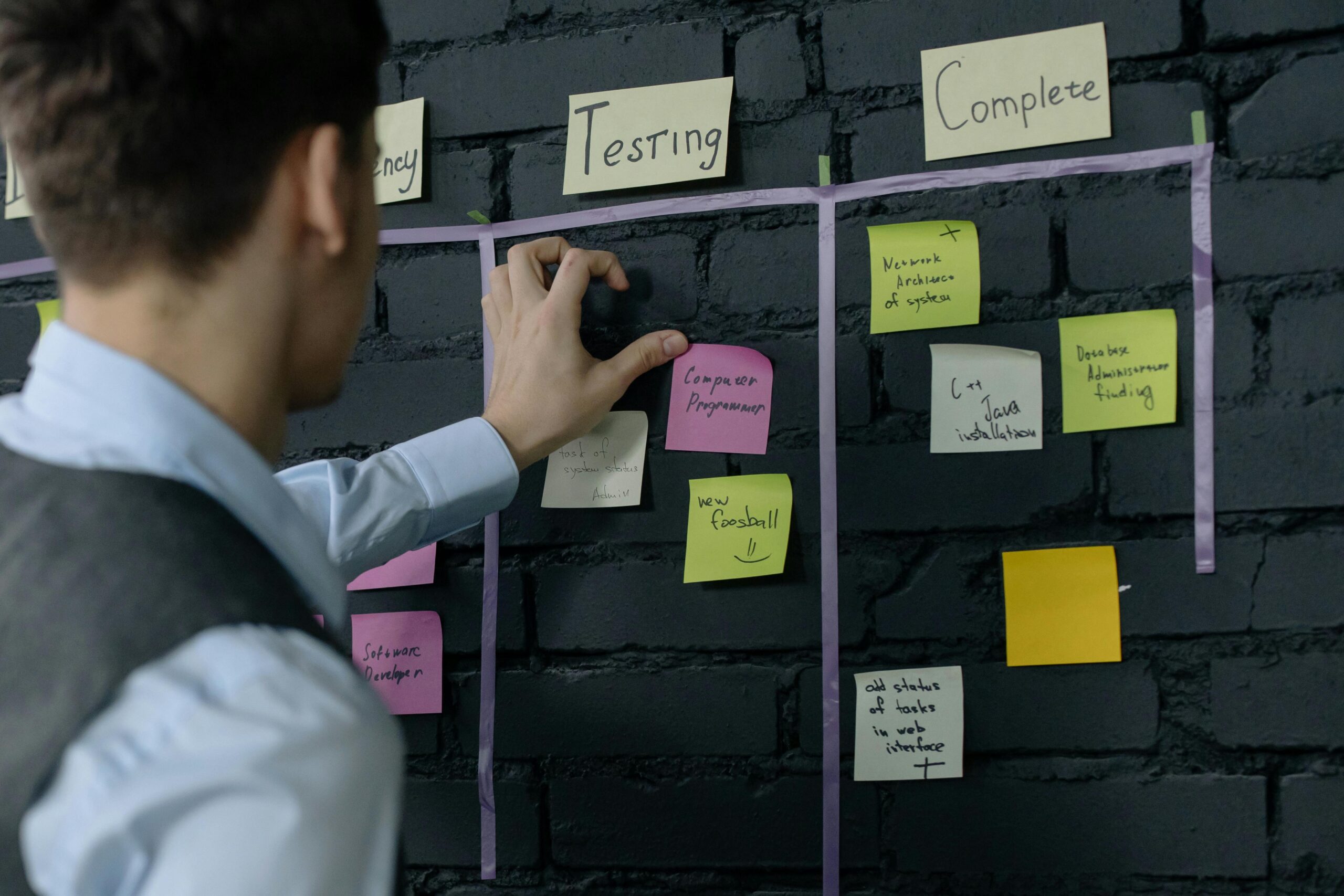
The journey begins with comprehensive process mapping. This involves documenting every step, decision point, and handoff within your workflows. Visualization tools transform abstract processes into tangible diagrams that stakeholders across the organization can understand and critique. When teams see the complete picture, they naturally identify improvement opportunities that remained invisible in fragmented views.
Effective process maps include inputs, outputs, responsible parties, timeframes, and quality checkpoints. They reveal where information gets delayed, where approvals create bottlenecks, and where automation could eliminate manual intervention. This transparency becomes the foundation for strategic improvements.
Stakeholder Alignment and Communication
No execution design succeeds without buy-in from everyone involved. This means engaging frontline employees who execute daily tasks, middle managers who coordinate activities, and executives who allocate resources. Each perspective offers unique insights into what works, what frustrates, and what could transform outcomes.
Regular communication channels ensure that design decisions reflect operational realities rather than theoretical ideals. Workshops, feedback sessions, and collaborative planning tools create shared ownership of the execution framework, dramatically increasing adoption rates when new processes roll out.
Technology Integration and Automation
Modern execution design leverages technology strategically to eliminate repetitive tasks and accelerate information flow. However, technology serves the process—never the reverse. The best implementations identify where human judgment adds value and where automation delivers consistency and speed.
Integration platforms connect disparate systems, ensuring data flows seamlessly between applications without manual data entry. Workflow automation tools trigger actions based on predefined conditions, reducing response times from hours to seconds. Analytics dashboards provide real-time visibility into execution metrics, enabling proactive adjustments before minor issues escalate.
💡 Streamlining Processes Through Strategic Design Principles
Process streamlining goes beyond simple elimination of steps. It requires thoughtful analysis of value creation, risk management, and customer experience. The following principles guide effective streamlining efforts that deliver sustainable improvements.
Value Stream Analysis
Every process contains activities that add value and those that simply consume resources. Value stream analysis categorizes each step according to its contribution to customer outcomes. Activities that transform materials, enhance information, or directly serve customer needs constitute value-added work. Everything else represents potential optimization targets.
This analysis often reveals that significant portions of process time involve waiting, reviewing, or transferring work between parties. By quantifying these non-value-added activities, organizations prioritize improvement initiatives based on potential impact rather than subjective preferences.
Standardization With Flexibility
Standardized processes create predictability and reduce errors, but excessive rigidity stifles innovation and frustrates employees facing unique situations. The solution lies in designing core workflows with built-in flexibility points where judgment and customization make sense.
Templates, checklists, and guidelines provide structure while allowing adaptation to specific circumstances. Clear escalation paths enable frontline workers to address exceptions without disrupting standard operations. This balanced approach maintains consistency while respecting the complexity of real-world business environments.
Continuous Feedback Loops
Static processes become obsolete as market conditions, technologies, and customer expectations evolve. Embedding feedback mechanisms into execution design ensures continuous improvement becomes organizational habit rather than periodic initiative.
Regular process reviews examine performance metrics, gather user experiences, and assess alignment with strategic objectives. These reviews identify emerging issues early and validate whether previous improvements delivered expected benefits. The cycle of design, execute, measure, and refine becomes perpetual, creating organizational resilience.
📈 Boosting Efficiency Through Intelligent Resource Allocation
Efficiency extends beyond speed—it encompasses optimal resource utilization, quality outcomes, and sustainable workloads. End-to-end execution design addresses efficiency from multiple dimensions simultaneously.
Capacity Planning and Load Balancing
Understanding capacity constraints prevents bottlenecks before they occur. Execution design incorporates realistic assessments of how much work each process step can handle, ensuring upstream activities don’t overwhelm downstream capabilities. Load balancing distributes work evenly across resources, preventing some team members from burning out while others remain underutilized.
Advanced planning considers seasonal fluctuations, expected growth, and contingencies for unexpected volume spikes. This proactive approach maintains service levels without requiring constant crisis management or expensive last-minute resource additions.
Skills Alignment and Cross-Training
Matching tasks to appropriate skill levels maximizes both efficiency and employee satisfaction. Execution design identifies where specialized expertise adds value and where generalized skills suffice. Cross-training programs create workforce flexibility, enabling teams to absorb workload variations without external hiring.
This strategic approach to talent deployment reduces idle time, accelerates task completion, and creates career development opportunities that improve retention. Employees appreciate organizations that invest in their growth and provide varied, challenging work.
Decision Authority Distribution
Centralizing all decisions creates delays and disempowers frontline workers. Distributing decision authority to appropriate levels accelerates execution while maintaining necessary controls. Execution design specifies which decisions require executive approval, which need managerial oversight, and which frontline teams can make independently.
Clear decision frameworks include criteria, thresholds, and documentation requirements that ensure consistency without micromanagement. This empowerment dramatically reduces cycle times while building employee confidence and accountability.
🚀 Driving Innovation Through Structured Experimentation
Innovation and structured processes might seem contradictory, but end-to-end execution design actually creates the foundation for sustainable innovation. By establishing reliable baseline operations, organizations free resources and attention for experimentation.
Creating Innovation Spaces
Dedicated time, budget, and psychological safety for experimentation enable teams to explore new approaches without jeopardizing current operations. Innovation spaces might include pilot programs, sandbox environments, or dedicated innovation teams that operate with different rules than production processes.
These controlled experiments generate insights about what works before committing to full-scale implementation. Failed experiments provide valuable learning without catastrophic consequences, while successful ones transition smoothly into standard operations through established change management protocols.
Customer-Centric Design Thinking
Innovation disconnected from customer needs wastes resources on solutions seeking problems. End-to-end execution design incorporates customer perspectives throughout the value chain, ensuring innovations address actual pain points rather than assumed ones.
Design thinking methodologies bring customer voices into process development through interviews, journey mapping, and prototype testing. This human-centered approach generates innovations that customers value and adopt readily, improving return on innovation investment.
Agile Implementation Methodologies
Traditional waterfall implementations delay value delivery until entire projects complete. Agile approaches break innovations into smaller increments that deliver partial value quickly, generate feedback, and adjust based on real-world results.
This iterative methodology reduces risk by validating assumptions continuously rather than discovering fundamental flaws after months of development. Teams learn faster, adapt more readily, and maintain motivation through frequent wins rather than distant finish lines.
🔧 Practical Tools and Techniques for Implementation Success
Theoretical understanding means little without practical application. The following tools and techniques translate end-to-end execution design principles into operational reality.
Process Documentation Standards
Consistent documentation formats ensure everyone understands processes the same way. Standard templates capture essential information—purpose, inputs, steps, outputs, roles, timing, and quality criteria—without unnecessary complexity. Visual elements like flowcharts complement written descriptions, accommodating different learning preferences.
Living documents stored in accessible repositories ensure teams always reference current versions. Version control tracks changes over time, providing audit trails and enabling rollback if updates create unintended consequences.
Performance Metrics and Dashboards
What gets measured gets managed. Execution design includes carefully selected metrics that reflect strategic priorities without overwhelming teams with data. Leading indicators predict future performance, enabling proactive interventions. Lagging indicators confirm whether changes delivered intended results.
Real-time dashboards visualize these metrics in intuitive formats that highlight exceptions requiring attention. Automated alerts notify relevant parties when performance deviates from acceptable ranges, enabling rapid response before situations deteriorate.
Change Management Frameworks
Even brilliantly designed processes fail without effective change management. Frameworks that address communication, training, resistance, and reinforcement ensure new approaches actually get adopted rather than ignored.
Successful change management recognizes that people need clear rationale, adequate preparation time, skill development, and ongoing support. Champions within affected teams accelerate adoption by demonstrating benefits and helping colleagues navigate challenges during transition periods.
🌟 Overcoming Common Implementation Challenges
Understanding potential obstacles prepares organizations to address them proactively rather than reactively. These common challenges deserve special attention during execution design initiatives.
Resistance to Change
People naturally prefer familiar routines over uncertain new approaches. Addressing this resistance requires empathy, communication, and involvement. Explaining why changes matter, how they benefit individuals, and what support is available reduces anxiety and builds commitment.
Involving affected parties in design decisions creates ownership and surfaces practical concerns before implementation. This collaborative approach transforms potential resisters into advocates who help others through the transition.
Siloed Organizational Structures
Departments optimizing local performance sometimes undermine overall organizational effectiveness. End-to-end execution design requires cross-functional collaboration that traditional hierarchies may resist. Executive sponsorship that rewards collaborative behavior and penalizes silo protection gradually shifts organizational culture.
Cross-functional teams working on shared objectives build relationships and mutual understanding that persist beyond specific projects. These connections create informal networks that facilitate future collaboration.
Technology Limitations and Legacy Systems
Ideal process designs sometimes clash with existing technology capabilities. Rather than abandoning improvements, successful organizations find creative workarounds, implement phased technology upgrades, or accept manual interventions temporarily while building business cases for infrastructure investments.
The key is distinguishing between genuine technical constraints and perceived limitations that careful analysis or creative problem-solving can overcome. Technology should enable strategy, but strategic value sometimes justifies technology investments.
🎓 Building Organizational Capability for Sustained Excellence
End-to-end execution design isn’t a one-time project but an ongoing capability that organizations must cultivate deliberately. Building this capability requires attention to people development, knowledge management, and cultural reinforcement.
Training and Skill Development
Process design, analysis, and improvement skills don’t develop accidentally. Formal training programs, mentorship opportunities, and hands-on project experience build these capabilities systematically across the organization. Investing in employee development creates internal expertise that sustains improvements long-term.
Certification programs recognize achievement and create career paths for process professionals, improving retention of valuable talent. Communities of practice enable practitioners to share insights, troubleshoot challenges, and continuously refine their craft.
Knowledge Capture and Sharing
Organizational learning accelerates when insights from one project benefit others. Knowledge management systems capture lessons learned, best practices, and reusable templates that prevent reinventing wheels. Regular knowledge-sharing sessions spread innovations across teams and business units.
This systematic approach to knowledge management transforms individual expertise into organizational assets that survive personnel changes and scale across the enterprise.
Cultural Reinforcement Mechanisms
Culture ultimately determines whether execution excellence becomes organizational identity or forgotten initiative. Recognition programs celebrating process improvements, leadership behaviors modeling continuous improvement mindsets, and performance systems rewarding efficiency gains reinforce desired cultural attributes.
Stories highlighting successful improvements become organizational folklore that newcomers absorb during onboarding. This cultural transmission ensures execution excellence persists across generations of employees and leadership.
🌍 Adapting Execution Design to Different Organizational Contexts
No universal template fits every organization. Effective execution design adapts core principles to specific industries, company sizes, and organizational maturity levels while maintaining fundamental integrity.
Startups require lightweight, flexible processes that accommodate rapid pivots without bureaucratic overhead. Established enterprises need robust governance balancing control and agility. Regulated industries incorporate compliance requirements without sacrificing efficiency. Global organizations address cultural differences and regional variations while maintaining brand consistency.
Understanding these contextual factors enables customization that respects organizational realities rather than imposing generic frameworks that generate resistance and ultimately fail. The art lies in applying principles appropriately rather than copying examples literally.
✨ Transforming Vision Into Operational Reality
Mastering end-to-end execution design represents a journey rather than a destination. Organizations that commit to this approach discover that streamlined processes, enhanced efficiency, and continuous innovation become self-reinforcing capabilities that compound over time. The initial investment in thoughtful design delivers returns that accelerate as organizational capability matures.
Success requires balancing structure with flexibility, standardization with customization, and immediate results with long-term capability building. Leaders who champion this balanced approach create organizations that execute reliably while innovating continuously—a competitive advantage that markets increasingly demand and reward.
The path forward begins with honest assessment of current capabilities, clear articulation of desired outcomes, and committed action to close the gap. Every organization, regardless of starting point, can progress toward execution excellence through deliberate, sustained effort guided by sound principles and practical tools.