
Energy-aware personal systems are reshaping how we interact with technology, offering unprecedented control over consumption while enhancing daily efficiency and sustainability in our connected world.

🌍 The Dawn of Energy Intelligence in Personal Technology
The digital revolution has brought remarkable convenience to our lives, but it has also introduced a hidden cost: exponential energy consumption. From smartphones that need daily charging to smart homes running continuously, our personal technology ecosystem demands more power than ever before. This reality has sparked a crucial transformation in how devices are designed, operated, and integrated into our daily routines.
Energy-aware personal systems represent a fundamental shift in technology philosophy. Rather than prioritizing performance at any cost, these intelligent solutions balance functionality with sustainability. They learn user patterns, adapt to behavioral rhythms, and make real-time decisions that minimize energy waste without compromising user experience. This approach isn’t just environmentally responsible—it’s economically smart and practically beneficial for everyday users.
The emergence of these systems comes at a critical time when global energy demands are straining resources and climate concerns are reaching unprecedented levels. Personal technology, while individually modest in consumption, collectively accounts for a significant portion of residential energy use. By revolutionizing how these devices manage power, we can make meaningful impacts on both household budgets and environmental footprints.
🔋 Understanding Energy-Aware Architecture
At the core of energy-aware personal systems lies sophisticated architecture that continuously monitors, analyzes, and optimizes power consumption. These systems employ multiple layers of intelligence, from hardware-level power management to application-layer optimization strategies that work in concert to deliver maximum efficiency.
Modern processors now include specialized cores designed specifically for low-power tasks. When you’re reading an email or checking the weather, your device doesn’t need full computational power. Energy-aware systems recognize this distinction and dynamically allocate resources accordingly. This intelligent distribution means that power-hungry components remain dormant until truly needed, extending battery life significantly.
Machine learning algorithms play an increasingly important role in predicting usage patterns. By analyzing when you typically use certain applications, how long you engage with different activities, and which features you access most frequently, these systems can pre-emptively adjust power allocation. This predictive capability transforms reactive power management into proactive energy optimization.
Key Components of Energy-Aware Systems
Several technological elements work together to create truly energy-aware personal systems. Adaptive display technology adjusts brightness and refresh rates based on ambient lighting and content type. Network management systems intelligently switch between Wi-Fi and cellular data based on signal strength and bandwidth requirements, preventing unnecessary power drain from weak connections.
Background process management has become remarkably sophisticated. Instead of allowing applications to run continuously in the background, energy-aware systems implement intelligent scheduling that batches similar tasks together. This approach reduces the number of times the device needs to wake from low-power states, preserving battery life while maintaining functionality.
Thermal management also contributes significantly to energy efficiency. By monitoring device temperature and adjusting performance parameters accordingly, these systems prevent thermal throttling that can actually increase power consumption over time. Cooler operation means more efficient power conversion and longer component lifespans.
📱 Practical Applications in Daily Life
The real-world impact of energy-aware personal systems extends far beyond technical specifications. For smartphone users, these technologies translate into devices that can comfortably last full days or even multiple days on a single charge, despite intensive use. This reliability eliminates the anxiety of battery depletion during critical moments.
Smart home integration showcases perhaps the most dramatic efficiency gains. Energy-aware systems coordinate multiple devices to minimize collective consumption. When you leave home, the system doesn’t just turn off lights—it orchestrates a comprehensive power-down sequence that includes adjusting thermostats, placing appliances in standby modes, and reducing security system power consumption to maintenance levels.
Wearable technology benefits enormously from energy-aware design. Fitness trackers and smartwatches that once required nightly charging now operate for weeks between charges. This extended runtime isn’t achieved by reducing features but through intelligent power management that recognizes when full sensor arrays are needed versus when simplified monitoring suffices.
Workplace Productivity Enhancement
Professional environments are experiencing transformative benefits from energy-aware personal systems. Laptops equipped with these technologies adapt to work patterns, allocating power to performance during intensive tasks like video editing or data analysis, then shifting to ultra-efficient modes during email composition or document review.
Remote work scenarios particularly benefit from intelligent energy management. Video conferencing applications integrated with energy-aware systems optimize video quality and processing power based on network conditions and meeting importance. Background blur and other features activate only when beneficial, conserving resources during lengthy virtual meetings.
Cloud connectivity receives similar optimization treatment. Rather than maintaining constant synchronization, energy-aware systems intelligently schedule data uploads and downloads during optimal power conditions. Critical documents sync immediately, while less urgent files wait for charging periods or strong Wi-Fi connections.
💡 Smart Home Integration and Automation
The convergence of energy-aware personal systems with smart home technology creates powerful synergies. Your smartphone becomes the central intelligence hub that coordinates household energy consumption based on occupancy, time of day, and individual preferences. This orchestration happens automatically, requiring minimal user intervention once initial preferences are established.
Lighting systems exemplify this integration beautifully. Energy-aware smart bulbs don’t just dim based on ambient light—they learn room usage patterns and adjust proactively. The kitchen brightens before you typically prepare dinner, while bedroom lights gradually dim as your usual sleep time approaches. This anticipatory behavior enhances comfort while minimizing unnecessary illumination.
Heating and cooling systems benefit from similar intelligence. By learning occupancy patterns and integrating with personal calendars, energy-aware HVAC systems maintain comfort when you’re home while implementing aggressive energy savings during absences. Some systems even factor in weather forecasts, pre-cooling homes before hot afternoons or warming them before cold evenings arrive.
Appliance Coordination for Maximum Efficiency
Major appliances increasingly participate in energy-aware ecosystems. Smart washing machines and dishwashers can delay operation until off-peak electricity hours when rates are lower. Some systems analyze household solar panel generation, prioritizing high-consumption tasks during peak production periods to maximize renewable energy utilization.
Entertainment systems demonstrate sophisticated energy awareness. Televisions now detect when nobody’s watching and automatically enter standby mode. Gaming consoles coordinate with energy-aware controllers to implement graduated power-saving measures during periods of inactivity, rather than abrupt shutdowns that might interrupt gameplay.
Kitchen appliances are becoming remarkably intelligent. Smart refrigerators adjust cooling cycles based on door opening frequency and external temperature. Coffee makers prepare morning brews at optimal times using minimal energy by precisely calculating heat requirements. These small optimizations accumulate into substantial household energy savings.
🔍 Monitoring and Insights: Knowledge is Power
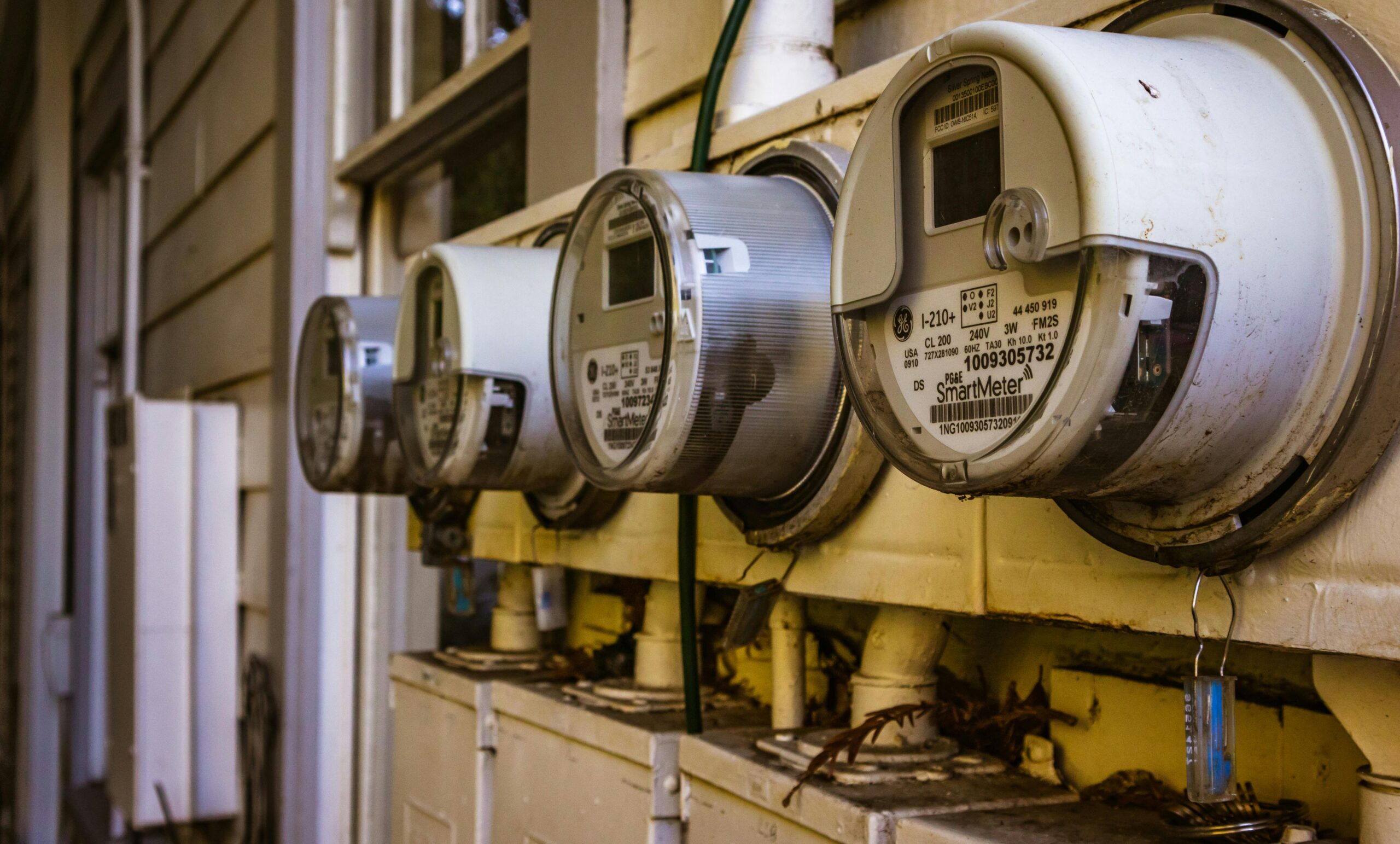
Effective energy management requires understanding consumption patterns. Modern energy-aware systems provide detailed analytics that illuminate where power goes and identify optimization opportunities. These insights empower users to make informed decisions about device usage and household energy allocation.
Visualization tools present consumption data in intuitive formats. Rather than overwhelming users with numbers, these interfaces use charts and comparisons that highlight trends and anomalies. Seeing that your smart TV consumes more standby power than your refrigerator uses actively can motivate behavioral changes that traditional utility bills never could.
Personalized recommendations emerge from continuous monitoring. If the system detects that you consistently leave certain devices running unnecessarily, it suggests specific behavioral modifications or automation rules that could reduce waste. These suggestions are contextual and considerate, respecting user preferences while encouraging efficiency.
Real-Time Alerts and Adaptive Responses
Proactive notification systems warn users about unusual consumption patterns that might indicate malfunctioning devices or inefficient behaviors. If your home energy usage suddenly spikes, the system investigates potential causes and alerts you to specific devices responsible for the increase.
Gamification elements make energy conservation engaging. Some systems award badges for achieving efficiency milestones or maintaining consistent improvement. Competitive features allow households to compare consumption with similar homes, creating friendly motivation for better energy practices.
Historical tracking enables long-term perspective on energy habits. Seeing year-over-year improvements validates conservation efforts and encourages continued optimization. Seasonal comparisons help users understand how weather and behavioral changes affect consumption, facilitating more informed planning.
🌱 Environmental Impact and Sustainability Benefits
The collective environmental benefits of widespread energy-aware personal system adoption are profound. When millions of devices operate more efficiently, the cumulative energy savings reduce demand on power grids, decreasing reliance on fossil fuel generation and lowering greenhouse gas emissions.
Battery longevity improvements contribute significantly to sustainability. Devices that manage charging intelligently and avoid complete discharge cycles maintain battery health longer, reducing electronic waste from premature battery degradation. This extension of useful device life means fewer replacements and less environmental impact from manufacturing new products.
Renewable energy integration becomes more practical with energy-aware systems. These technologies can coordinate household consumption with solar panel generation or wind power availability, maximizing use of clean energy sources. Some systems even communicate with utility companies to reduce consumption during grid stress periods, enhancing overall energy infrastructure stability.
Carbon Footprint Reduction Strategies
Advanced energy-aware systems now include carbon footprint tracking that translates energy consumption into environmental impact metrics. Understanding that leaving devices on standby produces specific CO2 emissions makes the abstract concept of energy waste tangibly meaningful. This transparency motivates conservation through environmental consciousness.
Offsetting programs integrated into energy management platforms allow users to invest directly in renewable energy projects or carbon reduction initiatives. By connecting personal consumption with positive environmental action, these features transform energy awareness into active climate participation.
Educational components within these systems help users understand broader sustainability contexts. Learning how individual actions contribute to community-wide environmental goals fosters collective responsibility and encourages sharing of best practices among users.
🚀 Future Innovations and Emerging Technologies
The evolution of energy-aware personal systems continues accelerating with emerging technologies promising even greater efficiency gains. Artificial intelligence advancement enables increasingly sophisticated prediction algorithms that anticipate needs with remarkable accuracy, often understanding user intentions before conscious decisions occur.
Quantum computing applications in energy management may soon revolutionize optimization calculations, solving complex multi-device coordination problems instantaneously. This computational power could enable real-time whole-neighborhood energy coordination, balancing loads across communities for unprecedented efficiency.
Energy harvesting technologies are maturing rapidly. Devices that generate power from ambient sources—body heat, motion, ambient light, radio frequencies—could eventually operate indefinitely without traditional charging. Integration of these technologies with energy-aware systems would create truly autonomous personal technology ecosystems.
Interconnected Ecosystem Development
Future energy-aware systems will likely transcend individual households, connecting with municipal infrastructure and utility networks for comprehensive energy optimization. Smart grids will communicate directly with personal devices, coordinating consumption across entire communities to maximize renewable energy utilization and minimize fossil fuel dependence.
Vehicle integration represents another frontier. Electric vehicles will function as mobile energy storage systems that interact with home energy-aware systems, charging during optimal periods and potentially returning power to households during peak demand. This bidirectional energy flow creates flexible, resilient personal energy networks.
Biotechnology integration may eventually enable devices that respond to biological signals, adjusting operation based on user stress levels, sleep quality, and health metrics. This holistic approach would optimize not just energy consumption but overall well-being, recognizing that true efficiency encompasses human factors beyond mere power usage.
⚡ Overcoming Implementation Challenges
Despite tremendous potential, energy-aware personal system adoption faces several obstacles. Initial costs can deter users, though long-term savings typically justify investments. Interoperability challenges persist as manufacturers use proprietary protocols, limiting cross-brand integration. Industry standardization efforts are addressing these fragmentation issues, but progress remains gradual.
Privacy concerns accompany detailed energy monitoring. Users worry about how consumption data might be used or shared. Robust data protection frameworks and transparent privacy policies are essential for building trust in these systems. Giving users complete control over their information while demonstrating clear value from data analysis helps balance these concerns.
Technical complexity intimidates some potential users. While underlying systems are sophisticated, user interfaces must remain intuitive and accessible. Successful implementations prioritize simplicity, offering automatic optimization with optional detailed control for interested users. This tiered approach accommodates varying technical comfort levels.
🎯 Maximizing Personal Benefits Today
Individuals can begin leveraging energy-aware technologies immediately through several practical approaches. Start by auditing current device usage and identifying inefficiencies. Simple actions like enabling power-saving modes, adjusting screen brightness, and closing unused applications create immediate benefits while preparing for more comprehensive system adoption.
Investing strategically in energy-aware devices yields compounding returns. When replacing aging technology, prioritize products with demonstrated energy efficiency and smart power management capabilities. Research energy consumption ratings and user experiences to identify truly effective solutions rather than marketing claims.
Creating automation routines maximizes efficiency with minimal effort. Configure devices to enter power-saving modes during typical sleep hours, coordinate charging schedules to avoid simultaneous high-draw periods, and establish location-based triggers that adjust settings when leaving or arriving home. These automated behaviors maintain efficiency without requiring constant attention.
Energy-aware personal systems represent far more than technological advancement—they embody a fundamental reimagining of our relationship with technology and resources. By intelligently managing power consumption, these systems deliver tangible benefits spanning financial savings, environmental protection, and enhanced convenience. As adoption expands and technologies mature, the collective impact will reshape both individual lifestyles and broader energy infrastructure, proving that smarter living isn’t about sacrifice but about intelligent optimization that benefits everyone.